Tag Archives: TSC latest news

The New NHIF Self-care Mobile App: How to download and use the App

Did you know that the National Hospital Insurance Fund, NHIF, has developed an easy to use self mobile application? Well. You can download the new NHIF selfcare App from Play Store as ‘MY NHIF’ or App Store as ‘My NHIF Selfcare’.

To download the App on Playstore;

  • Open Playstore on your Mobile phone.
  • In the search box, type in ‘My NHIF’.
  • Click install and your App will be downloaded and installed automatically.
  • Now, click on Open once the App has been installed.
  • To log into your NHIF account, enter you ID Number and click on request OTP (One Time Password).

In case of any difficulties, call the official NHIF helpline on 0800 720 601.

READ ALSO; NHIF medical cover services; how to register and pay monthly subscriptions through your mobile phone


RELATED CONTENT:

NHIF Registration

NHIF registers all eligible members from both the formal and informal sector. For those in the formal sector, it is compulsory to be a member. For those in the informal sector and retirees, membership is open and voluntary. To register with NHIF as a member, fill in the Members Form. To register as an employer or organized group, fill in the Employers Form.

Who is eligible?

Any person.

Who is a *resident in Kenya?

Has attained the age of 18 years. (No age limit after the age of 18 years)
Whose total income from salaried or self-employment is more than Kshs. 1,000 per month or Kshs. 12,000 per year.
Drawing an income from Kenya
Working under contract or casual terms of employment
It also includes voluntary contributors
* This includes foreign visitors permitted to work or study in Kenya

What do I need to bring?

Kenyan Residents

  • Copy of National I.D (including spouse if applicable)
  • Copy of Employer Appointment/Introduction Letter (excludes self employed/voluntary contributors)
  • Coloured passport photo (including spouse & dependants if applicable)
  • Original & copies of Birth Certificate(s) for dependants
Foreign Residents
  • Copies of passport, alien certificate or work permit (including spouse if applicable)
  • Coloured passport photo (including spouse & dependants if applicable)
Foreign Students
  •  Copy of passport
  • Coloured passport photo
  • Submit the required amount under the Voluntary/Self Employed Category
Where can I drop off my form?

At any of our branches located country wide.


BENEFITS

Upon admission in hospital an NHIF member is accorded services and the hospital makes a claim to the Fund for reimbursement
An in-patient cover for the contributor, declared spouse and children
Provides comprehensive medical cover in majority of over 400 accredited Government facilities, Mission health providers and some private health providers across the country
Provides in-patient services in private and high cost hospitals on a co-payment basis
Comprehensive maternity and CS (Caesarian) package in government hospitals, majority of mission and some private hospitals

Dialysis at Ksh 2,500 per session at the following medical facilities:-
  • – Kenyatta National Hospital, Nairobi
  • – Moi Teaching & Referral Hospital, Eldoret
  • – Provincial General Hospital Kisumu
  • – Rift Valley Provincial General Hospital, Nakuru
  • – Coast General Hospital, Mombasa
  • – Siloam Hospital, Kericho
  • – Mediheal Hospital & Fertility Centre
  • – Muranga District Hospital, Muranga
  • – Thika Level 5 Hospital, Thika
  • – P.C.E.A Hospital, Kikuyu
  • – Consolata Hospital, Nyeri
  • – Tawfiq Hospital, Malindi
  • – Africare Limited
  • – Kakamega Country General Hospital

Other benefits:

  • Family planning’ Vasectomy and Tubal Ligation
  • NHIF does not exclude any disease.

CONTRIBUTIONS

Formal sector employees’ contributions are deducted and remitted to the Fund by their employers. This is done by Cheque or through E-banking.
For members under the voluntary category, they pay Kshs.500 per month (Kshs.6000 per annum). For those in formal employment, contributions are made as per their income.


HOW DOES NHIF PAY FOR CLAIMS

Claims are submitted by hospitals directly to NHIF after the contributors have been discharged from the hospitals. The claims are examined by the Fund to ensure validity before payment.

A claim can however be rejected and the hospital informed accordingly to incorporate either the missing documents or to address the abnormalities identified.
The Fund strives to pay claims within 14 days upon receipt of the claim from the hospitals. Members who opt to clear the bills with the hospital may launch a general claim directly to NHIF for reimbursement.


TSC releases list of deregistered teachers in 2021

Welcome to the Educationnewshub page. This is the number one site for all the education news in Kenya. On this page, be sure to get well researched news and comprehensive guides. This page provides the best news on the following topics:

TSC LATEST NEWSLATEST EDUCATION NEWSKUCCPS LATEST NEWSHELB LATEST NEWS
KUCCPS Admission LettersKUCCPS Student PortalKUCCPS Admission ListsFREE NOTES
FREE KNEC KCSE Past PapersFREE KNEC KCPE Past PapersList of All Past Papers FREE SCHEMES OF WORK
Fees Structure for 2021-2022TERM DATES/ SCHOOL CALENDARLATEST KNEC NEWSKUCCPS CLUSTER POINTS
Intakes and Admissions 2021-2022List of Courses OfferedLatest Jobs in Kenya 2021-2022TSC PAYSLIP & SALARIES
TVET Applications 2021-2022KUCCPS PLACEMENT NEWSUNIVERSITIES & COLLEGESTSC ALLOWANCES
HELB LOAN FORMFORM ONE SELECTIONKCSE RESULTSKMTC COURSES

TSC LIST OF SACKED TEACHERS

The Teachers Service Commission (TSC) has released a list of teachers deregistered in 2021. The teachers have been removed from the TSC register for breaching the Code of Conduct and Ethics for Teachers.

See also; TSC News Today- All the latest TSC news

The sacked teachers (see full list below) will not be allowed to teach in any institution, this is according to the Commission.

“Pursuant to section 30 of the TSC Act (2012), the Commission wishes to publish the names of teachers who have been removed from the Register of Teachers. Further, under the law, these teachers cannot engage in teaching in any learning institution.” Says the Commission.

S/NTSC NOCASE NUMBERNAME OF TEACHERDATE OF REMOVAL
14933270277/07/2019/2020Benjamin Mutuku13/4/21
25690930467/11/2019/2020Collins Bitinyu13/4/21
36520680337/08/2019/2020Timona Too13/4/21
45752530286/2019/2020Nicholas Kilonzi13/4/21
56893820492/12/2019/2020Geoffrey Nyamanya13/4/21
62724070441/2019/2020Godfrey Kinoti13/4/21
77347590256/2019/2020Joseph Nalelia13/4/21
85016830301/08/2019/2020 Francis Maroa13/4/21
95085750354/09/2019/2020William Mung’oni13/4/21
105430730336/08/2019/2020Robert Kipyegon13/4/21
115068750365/09/2019/2020Stephen Ketuu13/4/21
125490540284/08/2019/2020Alex Thuita13/4/21
135148610519/02/2019/2020Grace Mutheo13/4/21
145096630310/08/2019/2020Wilson Muriithi13/4/21
154664620258/01/2019/2020Fredrick Lekaasu13/4/21
16384812 0374/05/2019/2020Florence Magara13/4/21
176674830428/11/2019/2020Anthony Mungania13/4/21
185133810452/11/2019/2020Josphat Onsango13/4/21
195359660436/2019/2020Raymond Onyango13/4/21
205748690372/09/2019/2020 Ateng Musa13/4/21
215496790298/08/2019/2020Hosea Bosire13/4/21
222307790371/09/2019/2020Francis Namugerwa13/4/21
234726640391/10/2019/2020Thaddeus Wanampui13/4/21
246708710384/10/2019/2020Hassan Musyoka13/4/21
257570810260/07/2019/2020Evans Mwabora13/4/21
264291190383/05/2018/2019Joseph Ritho13/4/21
275791390385/10/2019/2020Charles Njeru13/4/21
285054270357/09/2020/2021Erick Omondi13/4/21
293912360034/07/2019/2020Anyoka John13/4/21
304863660532/03/2019/2020Evans Agido13/4/21
315088610469/11/2019/2020Ferdinard Wekesa13/4/21
323837890390/10/2019/2020Jackson Mulinge13/4/21
336018630395/06/2018/2019Joseph Ogal13/4/21
345627200285/08/2019/2020Abednego Tello13/4/21
355266000109/07/2019/2020Wilton Nampaso13/4/21
365276390542/06/2019/2020Thomas Kinyua13/4/21
373353330448/11/2019/2020Joseph Abuto13/4/21
386039570513/02/2019/2020Kenneth Bundi13/4/21
396508010389/10/2019/2020Nathan Kosgey13/4/21
40480054002/07/2020/2021Anthony Kamau13/4/21
417936050497/01/2019/2020Vincent Nginsale13/4/21
426098330489/12/2019/2020Geofrey Tantaine Kapaito13/4/21
433542370493/12/2019/2020Evans Nyarera13/4/21
446881630423/10/2019/2020Nathan Mbera13/4/21
45522978006/07/2020/2021Joseph Maina13/4/21
465187570187/11/2018/2019/RC/Idle Abdi Haret13/4/21
475723370276/02/2018/2019/RC/03Mohammed Fowzy Radhfan13/4/21
485085280520/02/2019/2020Peter Sila13/4/21
493252790247/01/2018/2019/RC/03Christopher O. Otieno13/4/21
504305150121/09/2018/2019/RC/12Peter Mutua13/4/21
515841530277/02/2017/2019/RC/03Alfayo Ntwiga13/4/21
522812040259/07/2019/2020/RC/02Joackim Nganga
13/4/21

Related posts 

TSC Code of Conduct and Ethics for Teachers

TSC offences and required evidence- Latest list

TSC Latest Guidelines on professional misconduct, TSC offences, discipline cases and Disciplinary process

TSC professional misconduct (Latest list of offences that lead to interdiction and dismissal)

TSC- A list of all offences that can lead to a teacher’s interdiction and the evidence required

TSC transfer application online portal and simplified application procedure for teachers

Shocking details by TSC on Communities that form majority of teachers

Report reveals how two communities dominate top cadre jobs in state agencies

According to a report submitted to Parliament, two communities dominate the top cadre positions in state agencies, leaving the others to compete for the few remaining openings.

The reports that the various heads of state agencies submitted to the National Assembly Committee on National Cohesion and Equitable Cohesion show that Kalenjins and Kikuyus make up the largest percentage of personnel in all the agencies that have been so far studied.

The committee chaired by Mandera West MP Adan Haji is currently meeting all state agencies to check the ethnic composition of their employees in order to determine whether they comply with Section 7 of the National Cohesion and Integration Act, which states: “No public establishment shall have more than one-third of its staff from the same ethnic community.”

Section 7(1) and (2) of the Act states that all offices shall seek to represent the diversity of the people of Kenya in the employment of staff and no public institution shall have more than one-third of its staff from the same community.

In the Teachers Service Commission (TSC), out of 2,842 of its secretariat staff, Kikuyus have the highest number at 545, followed by Kalenjins with 412, Kamba are third with 323, Luhyas come fourth with 318 while Luos closes the top five with 266.

The documents tabled by CEO Nancy Macharia show that, out of the 1,077 secretariat staff at the middle level at TSC, Kikuyus are 316, followed by the Kalenjins (131), Kambas (127), Luhyas (103), and Meru (89).

Ms. Macharia defended the distribution, saying, at the secretariat level, it’s about technical know-how and specialization in a given area. She said one has to be highly competitive in order to make it at that level.

According to the TSC report, out of the 346,760 registered teachers in the country Kalenjins have the highest number at 59,538 followed closely by the Kikuyus at 59,010, Luhyas comes third with 52,882 followed by Luos at 40,657 and Kambas five with 39,807.

In the ethnic distribution of teachers *in the senior management level in primary schools, Kalenjins top the list with 6,159 followed by Kikuyus with 5,159, Kambas are third with 5,122, Luhyas comes fourth with 4,653 while Luos are at number five with 4,500.

The Kikuyu have the most teachers in post-primary schools with 3,493 followed by Luhyas (2, 736), Kalenjins (2,063), Luos (2,055), Kisiis (1,323) and Kambas (1,950).

At the lower level, Kalenjins still lead in the ethnic distribution of teachers in primary schools with 24,144, followed by Luhya (21,943), Kikuyus (21,540), Luos (16,574), and Kambas (16,532).

According to data presented before the committee, out of the 540 employees currently employed by the Kenya Electricity Transmission Company (Ketraco), the majority of the employees are from the Kalenjin, Kikuyu, Luos, Kamba, and Meru groups.

The ethnic distribution matrix presented by interim managing director Issac Kiva shows that Kalenjins make up 125 people, or 24 percent of the entire workforce, followed by Kikuyus at 90 people, or 17 percent, Luos at 65, Kambas at 49, and Merus at 20.

The communities with the fewest employees in the parastatal are* Dasemach, Dorobo, Kuria, Pokomo, Taveta, and Turkana, each of which has just one worker.

Overall, Ketraco has 370 male employees (71 percent) and 150 females (29 percent).

The documents show that, out of the mass recruitment of 158 people in the last three years, Kalenjins took the lion’s share with 57 people, followed by Kikuyus (24), Luhyas (21), Luos (20 ) and Kambas (14).

Kikuyus make up 649 out of the 1,404 employees at Kenyatta University Teaching, Referral, and Research Hospital, or 46.23 percent of the total workforce.

Documents presented to the committee by KUTRRH CEO Ahmed Dagane reveal that Luhya community members came in a distant second with 123 employees (8.7%), followed by 111 Luos (7.9 percent).

At Kenya Rural Roads Authority (Kura), out of its 747 staff across various cadres, 235 employees are from the Kikuyu community, translating to 31.5 percent, followed by Kalenjins with 102 or 13.5 percent of the workforce. Luhyas are third with 84 employees with the Luos coming fourth with 83 employees.

The Kamba have 67 followed by Kisiis (54), Meru (34), and Maasai and Taita 10 each.

Documents tabled by Director General Philemon Kandie indicate that at the senior management level , Kikuyus occupy 16 translating to 38.2 percent, followed by the Kalenjins with six or 15 percent. Both the Kamba and Luhyas have five workers each in top management, translating to 12.5 percent.

In the mass recruitment carried out in 2022, out of the 168 people employed, 38 were Kalenjins, followed by Kikuyus at 36, Luos (17), Kambas (16), and Luhyas (15).

Kisiis had 11 while Merus had 10.Others, such as the Maasai, Somali, Swahili, Suba, Taita, Teso, Mbeere, and Mjiknda, had less than ten recruited.

Secondary school teachers to handle 3 subjects- TSC

Secondary school teachers will now be expected to teach three (3) subjects; up from the current two. This is according to the latest recommendations by the Teachers Service Commission (TSC).

“Teachers at this level (secondary school) will teach three subjects at Junior and Senior secondary,” reads the TSC framework document on entry requirements in the teaching service.

Currently, all secondary school teachers handle two subjects apart from those handling English.

Additionally, all teachers must now have Information and Communication Technology (ICT) skills.

In another move that will lock out many KCSE students hoping to undertake teaching courses, the Commission has reviewed the minimum teaching subjects’ grades. Whereas TSC wants the minimum entry mean grade at KCSE retained at C+ (plus), a teacher must have a B-(Minus) in three teaching subjects.

Currently, the minimum teaching subject requirement is a C+ (plus).

The study period at university would also be reduced to three years; down from the current four years. The Commission wants teachers to undertake a Bachelor of Arts or Science Degree for 3 years and Post Graduate Diploma in Education, PGDE, for one year on Teacher Education.

Further, students who have undertaken courses(Diploma or degrees) without the minimum entry requirements (who enrolled, who trained and graduated in them) do not qualify for registration and employment by the TSC.

TSC proposes that the above minimum requirements be used as a basis for admission into Teacher Education at the various levels from September 2021.

In addition to the requirements above, the following shall be required before a teacher is registered by the Commission: –

  • Certificate of Good Conduct; applicants shall be required to present a valid certificate of good conduct upon application for registration.
  • Certificate in Integration of ICT in education; Evidence of training in ICT skills
  • Compliance to chapter six of the Constitution:Tax Compliance Certificate (KRA), Certificate of good conduct (DCI), Higher Education Loan clearance certificate (HELB), EACC clearance and Credit Reference Certificate (CRB)
  • ECDE applicants with certificates from other bodies other than KNEC and MOE should have their certificates equated by KNEC.
  • Applicants with foreign Degrees and Diplomas in education should have their documents equated by the Commission for University Education (CUE) and Kenya National Examination Council (KNEC) respectively.

LIST OF BANNED COURSES BY TSC

Applicants for registration whose training is in subjects that are currently NOT in the curriculum do not qualify irrespective of having undertaken a Post Graduate Diploma in Education (PGDE) and/ or Enhancement.

This category includes but not limited to Bachelor of Science/Bachelor of Arts in:

  • Natural resources
  • Meteorology
  • Forestry
  • Animal husbandry
  • Horticulture
  • Farm machinery
  • Fisheries
  • Anthropology
  • Sociology
  • Theology/Divinity
  • Journalism
  • Kiswahili and Communication
  • Business Management / Administration
  • Banking  and Finance

This category includes but not limited to Bachelor of Science/Bachelor of Arts in:

  1. Genomics
  2. Actuarial Science
  3. Environmental Science
  4. Criminology
  5. Biotechnology and  Agriculture
  6. All Courses related to  Engineering
  7. Industrial Chemistry
  8. Biochemistry
  9. Hospitality and tourism
  10. Foods , Nutrition and Dietetics
  11. Technology and applied  Biology
  12. Microbiology etc.

Those who have undertaken a PGDE with these courses are NOT eligible for registration as teachers.

These courses do not provide sufficient subject content and therefore the mastery of the content in two teaching subjects is not adequate as required.

Posts with related information

New TSC entry qualifications for teachers (Bachelor of Education Science and Arts Degrees to be scrapped)

TSC latest requirements for teachers (Must read before you pursue a Diploma or Degree Course in Education)

Current TSC requirements for education (teaching) courses/programmes in Kenya

TSC teachers recruitment guidelines, marking schemes and score-sheets (Secondary and primary)

TSC Teacher New Minimum Requirements (Primary schools)

Secondary School Teachers New TSC Registration Requirements

New TSC recruitment guidelines for teachers; Latest score sheet, marking scheme

New TSC Certificate registration requirements and procedure for ECDE, PTE, Diploma, and Graduate teachers

TSC requirements for primary teachers and details on the new Diploma in Primary Teacher Education Course (DPTE)

Requirements for TSC Biometric Enrollment and Validation Of Teachers (BEVOT)

TSC- Requirements, responsibilities and appointment criteria for Secondary School Principals

TSC to continue CBC retooling for teachers

The Teachers Service Commission will support continuous retooling (retraining) of teachers to ensure compliance with the Competency-Based Curriculum (CBC).

TSC Rift Valley Regional Coordinator, Alex Cheruiyot, stated that the teachers needed to be equipped with skills to handle changing trends and class management as the education system shifts fully to the competency-based curriculum.

Mr Cheruiyot indicated that the new curriculum requires innovative human capacity and that revitalising the teaching profession will ensure quality, equity and relevance at all levels of education.

In the education context, retooling is a process that is meant to increase professional knowledge and skills for teachers so that students’ learning is improved.

In his presentation during a training session for junior secondary school (JSS) teachers at a Nakuru hotel, Mr Cheruiyot stated that through continuous training programmes TSC and its partners are committed to supporting teachers in ICT integration so that they can effectively source for and develop teaching aids and learning materials for the CBC curriculum.

Continue reading;

A total of 9,595 teachers are undergoing the training course on expectations of the ongoing school curriculum reforms that lay emphasis on making learners acquire competencies to fit in the 21st century work environment.

The programme organised by the Centre for Mathematics, Science and Technology Education in Africa (CEMASTEA), is being conducted during the April holidays and targets JSS teachers from 47 counties assigned to teach Pre-Technical studies, agriculture, and nutrition.

Mr Cheruiyot said the training would improve human capital.

‘‘Amongst the retooling aspects is the shift of the education system to remote learning through digital apps. The technology will enhance teaching and learning with their students, as well as provide features to enhance teacher-learner engagement,’’ he said.

The Regional Director indicated that the country’s education system is currently on a reform path, a move geared towards improving the human capital index and quality of life.

He added that Kenya has been making strides in providing quality education, which is not only a constitutional right but also guided by Sustainable Development Goal 4 (SDG), calling for inclusive and equitable education that promotes lifelong learning opportunities for all.

“As this happens, the teacher aspect has to be well taken care of, whereby they must be retooled to be in tandem with the changing education needs of learners and the world today,” indicated the director.

The Presidential Working Party on Education Reforms (PWPER) Report made critical recommendations on retooling teachers, especially now that the country is transitioning to a competency-based curriculum (CBC), with only five classes left under the 8-4-4 system.

To attract, develop and retain effective teachers, PWPER calls for the need to have a one-year mandatory retooling programme, for all graduates of pre-service training to be CBC compliant and a one-year mandatory internship programme, upon completion of pre-service training before being registered into the teaching profession.

According to TSC, a multi-agency approach has been used to retool at least 229,000 primary school teachers and 55,125 others for junior secondary schools so far in a bid to ensure the successful implementation of CBC.

This means the total number of teachers retooled for CBC represents 82 percent of the total number of teachers employed and the Commission continues to run the training programme to cover all of them.

Similarly, the Commission has already rolled out remote learning as an innovative strategy for alternative modes of curriculum implementation and has sensitised 163,938 teachers.

Mr Cheruiyot affirmed that it was important to put emphasis on the teachers’ professional knowledge, engagement in the teaching service and effective curriculum implementation.

He noted that this was critical because it would ensure the acquisition of competencies, skills, values, and attitudes for effective CBC implementation and assessment.

Cheruiyot stated that the dynamic nature of education requires teachers to continue learning beyond pre-service training as part of building capacity and coping with emerging trends.

“With the country embracing continuous retooling, there will be a greater impact on both teachers and learners and in the long run, the country’s national development will be boosted to even greater heights. But as this happens, there is also a need to fully embrace technological advancements to ensure effective curriculum delivery, a concept that CBC highly recognises,” Mr Cheruiyot pointed out.

He indicated that Kenya is looking forward to responding to the demands of the 21st century, which require innovative human capacity and that revitalising the teaching profession will ensure quality, equity and relevance at all levels of education.

Mr Cheruiyot said teachers should be well equipped with changing trends in teaching and class management while at the same time inculcating a tech-friendly model because it is impossible to separate technology from education.

He reiterated TSC’s commitment to supporting CEMASTEA’s initiatives, aimed at establishing a strong foundation in science, technology, engineering, and mathematics (STEM) education and addressing inequalities in the education system.

“There’s also a need for teachers to create communities of practice to deliver quality STEM education,” he said.

He said the training also involves the integration of digital literacy, which is essential in the contemporary learning environment.

“Mentorship and guidance in STEM fields is one of the fastest-growing areas to get young people interested in educational opportunities and global competitiveness. This will minimise the dilution of the talent pipeline that continues to hurt the economy,” he explained.

Loice Owade, a teacher at Our Lady Queen of Peace in Kisumu County, stressed the importance of strengthening teaching to encourage more students to opt for STEM subjects.

She said that by nature and structure of CBC, junior secondary school learners cannot be left unguided on matters of career choices.

Ms Owade expressed concern that some learners go about the assignment of choosing careers without the benefit of professional knowledge and advice, solely guided by influence from peers or overly ambitious parents.

She said JSS teachers should be equipped with skills in career guidance so that they may give their students information on both education requirements and job market dynamics.

Ms Owade observed that CBC anticipates that learners will choose specific pathways that will eventually lead them to their dream careers.

“The task of determining this heavy choice cannot be left in the hands of unguided learners, nor can it be driven by parents the majority of whom are uninformed and would only settle for careers they believe would guarantee their children flashy lifestyles and unrealistic financial rewards, their abilities, dislikes and likes notwithstanding,” she observed.

Ms Owade indicated that for career guidance to achieve its intended purpose, career teachers need to be equipped with the necessary information and skills.

2020 Kisumu Boys’ Physics Contest: Details and invitation letter

This year’s Kisumu Boys Physics Contest is to be held on 10th May, 2020 at Kisumu Boys High School as from 8.00 a.m. This a great opportunity to meet with experienced teachers in the subject for the sole purpose of exchanging and sharing of ideas. The learners will also gain a great deal deal during this session.

You are kindly requested to:-
  1. Carry a set of ten students for Senior Entry and another set of ten students for the Junior Entry.
  2. Senior entry will cover form one to three topics and the first Seven form four Topics while the Junior entry will cover from form one and two and first four topics of form three.
  3. You can enter as many sets as vou can in each category.
  4. For each set you will be required to pay a nonrefundable registration fee of Kshs.2,000 only. (two thousand shillings only)
  5. Students will be required to carry packed lunch for the day.

FOR A COMPLETE GUIDE TO ALL SCHOOLS IN KENYA CLICK ON THE LINK BELOW;

Here are links to the most important news portals:

Note:
  • Certificate will be given to top students during the contest. Girls and Boys will be awarded according to the categories.
  • Examined questions will be to the KCSE standard.
  • Confirm your participation using the mobile number given below. Please keep time to make the day successful

    Yours faithfull
    Isaac O. Oketch
    (COORDINATOR)
    Phone: 0723 546 170

SPONSORED IMPORTANT LINKS:
Here is the invitation letter;
The 2020 Kisumu Boys' Physics Contest.
The 2020 Kisumu Boys’ Physics Contest.
ABOUT KISUMU BOYS HIGH SCHOOL

Kisumu Boys High School is located at the heart of Kisumu city in Kisumu County; of the Nyanza region in Kenya. Kisumu Boys High is a Boys’ only boarding secondary school. It is one of the best and top performing school in Kisumu County and the Nyanza Region; even countrywide.

This article provides complete information about this school. Get to know the school’s physical location, directions, contacts, history, Form one selection criteria and analysis of its performance in the Kenya Certificate of Secondary Education, KCSE, exams. Get to see a beautiful collation of images from the school’s scenery; including structures, signage, students, teachers and many more.

READ FULL DETAILS HERE; Complete guide to Kisumu Boys High School. Click here.

Dagoretti High School KCSE Results KNEC Code, Admissions, Location, Contacts, Fees, Students’ Uniform, History, Directions and KCSE Overall School Grade Count Summary

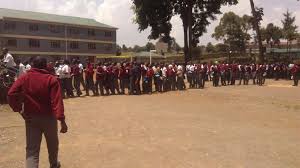
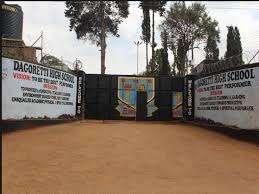
Dagoretti High School is a Boys’ only Secondary School, located in Dagoretti near Nairobi Town, Dagoretti North Constituency in Nairobi County; in Kenya. Get to know Dagoretti High school’s physical location, directions, contacts, history, Form one selection criteria and analysis of its performance in the Kenya Certificate of Secondary Education, KCSE, exams. Get to see a beautiful collation of images from the school’s scenery; including structures, signage, students, teachers and many more.

 For all details about other schools in Kenya, please visit the link below;

DAGORETTI HIGH SCHOOL’S KCSE RESULTS

Individual candidates can check their KCSE results by sending an SMS with their full index number (11digits) followed by the word KCSE. The SMS can be sent from any subscriber’s line (Safaricom, Airtel or any other) to 20076. For example, send the SMS in the format 23467847002KCSE to 20076. There should be no space left between the index number and the word KCSE.

One can also download the whole school’s KCSE results by Visiting the Official KNEC exams portal; https://www.knec-portal.ac.ke/.  This one requires the school’s log in credentials.

Finally, candidates can visit the school for their results. This is usually a day after the results have been released. It is important that you check your result slip to ensure there are no errors on it. Be keen to see that details such as your name, index number and sex are accurate. In case of any discrepancy, please notify your principal or KNEC immediately for correction.

DAGORETTI HIGH SCHOOL’S PHYSICAL LOCATION

Dagoretti High School is a Boys’ only Secondary School, located in Dagoretti near Nairobi Town, Dagoretti North Constituency in Nairobi County; in Kenya.

The school is located in Waithaka Location, Dagoretti Sub-County in Nairobi County along the Nairobi – Kikuyu Road, at an approximate distance of around four hundred metres from Waithaka Shopping Centre. It is 16 kilometres from Nairobi city centre and stands on a 9.63 Hectare piece of land.

DAGORETTI HIGH SCHOOL’S BASIC INFO & CONTACTS AT A GLANCE

In need of more information about the school? Worry not. Use any of the contacts below for inquiries and/ or clarifications. Here is a collation of the school’s basic details:

  • SCHOOL’S NAME: Dagoretti High School
  • SCHOOL’S TYPE: Boys’ only boarding scheme
  • SCHOOL’S CATEGORY: Extra County school.
  • SCHOOL’S LEVEL: Secondary
  • SCHOOL’S KNEC CODE: 20405001
  • SCHOOL’S OWNERSHIP STATUS: Public/ Government owned
  • SCHOOL’S PHONE CONTACT: 0716-396841
  • SCHOOL’S POSTAL ADDRESS: P.O. Box 21070 – 00505 Nairobi, Kenya
  • SCHOOL’S EMAIL ADDRESS:
  • SCHOOL’S WEBSITE: www.dagorettihigh.sc.ke
DAGORETTI HIGH SCHOOL’S BRIEF HISTORY

Dagoretti High School was initially started as Ruthimitu Independent School in 1929 after the expulsion of African pupils from mission schools for supporting the female circumcision rite of passage for Kikuyu girls.  However, it was closed in the early 1930’s as a result of opposition from the missionaries and the colonial government.

The school opened its doors to its first batch of students in January, 1962. Within 2 years, the school had 200 students.   A committee of eminent personalities from the community was selected to run the school.  These were Mr. Eliud Njuguna Kuria, Mr. Tiras Waiyaki, Mr. Peter Kuria Ndwaru and Mr. Geoffrey Kiuna.

FOR A COMPLETE GUIDE TO ALL SCHOOLS IN KENYA CLICK ON THE LINK BELOW;

Here are links to the most important news portals:

DAGORETTI HIGH SCHOOL’S VISION

To be the Best Performer

DAGORETTI HIGH SCHOOL’S MISSION

To Provide a Conducive Teaching and Learning Environment Geared Towards Producing Unequalled Academic, a Physical and Spiritual Performer

DAGORETTI HIGH SCHOOL’S MOTTO

Elimu ni Mali

DAGORETTI HIGH SCHOOL’S CORE VALUES
i) Diligence
ii) Integrity
iii) Teamwork
iv) Humility
DAGORETTI HIGH SCHOOL’S FORM ONE SELECTION CRITERIA & ADMISSIONS

Being a public school, form one admissions are done by the Ministry of Education. Vacancies are available on competitive basis. Those seeking admissions can though directly contact the school or pay a visit for further guidelines.

You have been selected to join form one at high school? Well. Congratulations. In case you need to see your admission letter, then click on this link to download it; Official Form one admission letter download portal.

DAGORETTI HIGH SCHOOL’S KCSE PERFORMANCE ANALYSIS

The school has maintained a good run in performance at the Kenya National Examinations Council, KNEC, exams. In the 2019 Kenya Certificate of Secondary Education, KCSE, exams the school posted good results to rank among the best schools in the County. This is how and where you can receive the KCSE results.

Also read;

 For all details about other schools in Kenya, please visit the link below;

DAGORETTI HIGH SCHOOL’S PHOTO GALLERY

Planning to pay the school a visit? Below are some of the lovely scenes you will experience.

Dagoretti High School

Also read:

SPONSORED LINKS; YOUR GUIDE TO HIGHER EDUCATION

For a complete guide to all universities and Colleges in the country (including their courses, requirements, contacts, portals, fees, admission lists and letters) visit the following, sponsored link:

SPONSORED IMPORTANT LINKS:

Receive Covid 19 vaccine or face action- TSC tells teachers

The Teachers Service Commission, TSC, has ordered all teachers to receive the Covid 19 jab or face disciplinary action. Consequently, all teachers are expected to urgently receive two doses of the Covid 19 vaccine.

“Following the upsurge currently being witnessed in the (Covid 19) positivity rate and increasing numbers of Covid 19 infections across the country, it is imperative that you mop up teachers and officers under your respective jurisdiction to get vaccinated,” TSC Boss, Dr. Nancy Macharia, says in a memo addressed to all TSC Regional, County, Sub County Directors, Curriculum Support Officers and Heads of Institutions.

The government has observed that most public servants; including teachers, have deliberately avoided getting vaccinated. The government now says disciplinary action will be taken against the defiant public servants and teachers.

Teachers who will fail to heed to the TSC directive would be guilty of committing a punishable offence referred to as insubordination. This is as a result of failure to obey official/instructions from supervisors e.g. Commission Secretary, Heads of Institution, County Directors and Sub-County Directors.

Consequently, the Commission has threatened to interdict teachers who would have failed to be vaccinated by elapse of the given deadline.

Dr. Macharia assures teachers that the quickest way for life to return to normal is for most people to get vaccinated.

“We are here therefore to urge all our teachers who got the first dose to take advantage of the ongoing second dose vaccination campaign to gain full immunization.” She says.

According to TSC, as of last Saturday, August 14th 2021, a total of teachers have been vaccinated with the first dose, while 110,342 have received the full dose.

“However, given that we target to vaccinate all the 330,671 teachers on TSC payroll and thousands teaching in private schools, the number so far vaccinated is still not impressive.” Says Dr. Macharia.

It remains to be seen if teachers will heed this latest directive and receive the vaccine.

Namwela Secondary School; complete details, KCSE Results, Fees, Contacts, Location, Admissions, KNEC Code, History, Portal Login, Website

Namwela Secondary School is a Boys’ boarding school, located in Namwela location, Bungoma County; within the Western region of Kenya. This article provides complete information about Namwela Secondary School. Get to know the school’s physical location, directions, contacts, history, Form one selection criteria and analysis of its performance in the Kenya Certificate of Secondary Education, KCSE, exams. Get to see a beautiful collation of images from the school’s scenery; including structures, signage, students, teachers and many more.

 For all details about other schools in Kenya, please visit the link below;

NAMWELA BOYS HIGH SCHOOL’S KCSE RESULTS

Individual candidates can check their KCSE results by sending an SMS with their full index number (11digits) followed by the word KCSE. The SMS can be sent from any subscriber’s line (Safaricom, Airtel or any other) to 20076. For example, send the SMS in the format 23467847002KCSE to 20076. There should be no space left between the index number and the word KCSE.

One can also download the whole school’s KCSE results by Visiting the Official KNEC exams portal; https://www.knec-portal.ac.ke/.  This one requires the school’s log in credentials.

Finally, candidates can visit the school for their results. This is usually a day after the results have been released. It is important that you check your result slip to ensure there are no errors on it. Be keen to see that details such as your name, index number and sex are accurate. In case of any discrepancy, please notify your principal or KNEC immediately for correction.

NAMWELA BOYS HIGH SCHOOL’S PHYSICAL LOCATION

Namwela Secondary School is a Boys’ boarding school, located in Namwela location, Bungoma County; within the Western region of Kenya.

NAMWELA BOYS HIGH SCHOOL’S INFO AT A GLANCE
  • SCHOOL’S NAME: Namwela Secondary School
  • SCHOOL’S TYPE: Boys’ only boarding school
  • SCHOOL’S CATEGORY: County school.
  • SCHOOL’S LEVEL: Secondary
  • SCHOOL’S LOCATION: located in Namwela location, Bungoma County; within the Western region of Kenya.
  • SCHOOL’S KNEC CODE: 36626104
  • SCHOOL’S OWNERSHIP STATUS: Public/ Government owned
  • SCHOOL’S PHONE CONTACT: 0734-645418
  • SCHOOL’S POSTAL ADDRESS: P.O. Box 48, Chwele 50202
  • SCHOOL’S EMAIL ADDRESS:
  • SCHOOL’S WEBSITE:
NAMWELA BOYS HIGH SCHOOL’S BRIEF HISTORY

FOR A COMPLETE GUIDE TO ALL SCHOOLS IN KENYA CLICK ON THE LINK BELOW;

Here are links to the most important news portals:

NAMWELA BOYS HIGH SCHOOL’S VISION
NAMWELA BOYS HIGH SCHOOL’S MISSION
NAMWELA BOYS HIGH SCHOOL’S MOTTO
NAMWELA BOYS HIGH SCHOOL’S CONTACTS

In need of more information about the school? Worry not. Use any of the contacts below for inquiries and/ or clarifications:

  • Postal Address: P.O. Box 48, Chwele 50202
  • Email Contact:
  • Phone Contact: 0734-645418
NAMWELA BOYS HIGH SCHOOL’S FORM ONE SELECTION CRITERIA & ADMISSIONS

Being a public school, form one admissions are done by the Ministry of Education. Vacancies are available on competitive basis. Those seeking admissions can though directly contact the school or pay a visit for further guidelines.

NAMWELA BOYS HIGH SCHOOL’S KCSE PERFORMANCE ANALYSIS

The school has maintained a good run in performance at the Kenya National Examinations Council, KNEC, exams. In the 2019 Kenya Certificate of Secondary Education, KCSE, exams the school posted good results to rank among the best schools in the County. This is after recording a mean score of 6.1 (C plain).

Also read;

 For all details about other schools in Kenya, please visit the link below;

NAMWELA BOYS HIGH SCHOOL’S PHOTO GALLERY

Planning to pay the school a visit? Below are some of the lovely scenes you will experience.

Namwela Boys High School

Also read:

SPONSORED LINKS; YOUR GUIDE TO HIGHER EDUCATION

For a complete guide to all universities and Colleges in the country (including their courses, requirements, contacts, portals, fees, admission lists and letters) visit the following, sponsored link:

SPONSORED IMPORTANT LINKS:

St Patrick’s Naitiri Boys Secondary School; complete details, KCSE Results, Fees, Contacts, Location, Admissions, KNEC Code, History, Portal Login, Website

Naitiri Boys High School is a Boys’ only boarding school, located in Mbakalo location, Bungoma County; this is within the Western region of Kenya. This article provides complete information about this school. Get to know the school’s physical location, directions, contacts, history, Form one selection criteria and analysis of its performance in the Kenya Certificate of Secondary Education, KCSE, exams. Get to see a beautiful collation of images from the school’s scenery; including structures, signage, students, teachers and many more.

 For all details about other schools in Kenya, please visit the link below;

NAITIRI BOYS HIGH SCHOOL’S KCSE RESULTS

Individual candidates can check their KCSE results by sending an SMS with their full index number (11digits) followed by the word KCSE. The SMS can be sent from any subscriber’s line (Safaricom, Airtel or any other) to 20076. For example, send the SMS in the format 23467847002KCSE to 20076. There should be no space left between the index number and the word KCSE.

One can also download the whole school’s KCSE results by Visiting the Official KNEC exams portal; https://www.knec-portal.ac.ke/.  This one requires the school’s log in credentials.

Finally, candidates can visit the school for their results. This is usually a day after the results have been released. It is important that you check your result slip to ensure there are no errors on it. Be keen to see that details such as your name, index number and sex are accurate. In case of any discrepancy, please notify your principal or KNEC immediately for correction.

NAITIRI BOYS HIGH SCHOOL’S PHYSICAL LOCATION

Naitiri Boys High School is a Boys’ only boarding school, located in Mbakalo location, Bungoma County; this is within the Western region of Kenya.

NAITIRI BOYS HIGH SCHOOL’S INFO AT A GLANCE
  • SCHOOL’S NAME: Naitiri Boys High School
  • SCHOOL’S TYPE: Boys’ only boarding school
  • SCHOOL’S CATEGORY: County school.
  • SCHOOL’S LEVEL: Secondary
  • SCHOOL’S LOCATION: located in Mbakalo location, Bungoma County; this is within the Western region of Kenya.
  • SCHOOL’S KNEC CODE: 36611002
  • SCHOOL’S OWNERSHIP STATUS: Public/ Government owned
  • SCHOOL’S PHONE CONTACT: 0715-687187
  • SCHOOL’S POSTAL ADDRESS: P.O. Box 859, Kitale.
  • SCHOOL’S EMAIL ADDRESS:
  • SCHOOL’S WEBSITE:
NAITIRI BOYS HIGH SCHOOL’S BRIEF HISTORY

FOR A COMPLETE GUIDE TO ALL SCHOOLS IN KENYA CLICK ON THE LINK BELOW;

Here are links to the most important news portals:

NAITIRI BOYS HIGH SCHOOL’S VISION
NAITIRI BOYS HIGH SCHOOL’S MISSION
NAITIRI BOYS HIGH SCHOOL’S MOTTO
NAITIRI BOYS HIGH SCHOOL’S CONTACTS

In need of more information about the school? Worry not. Use any of the contacts below for inquiries and/ or clarifications:

  • Postal Address: P.O. Box 859, Kitale.
  • Email Contact:
  • Phone Contact: 0715-687187
NAITIRI BOYS HIGH SCHOOL’S FORM ONE SELECTION CRITERIA & ADMISSIONS

Being a public school, form one admissions are done by the Ministry of Education. Vacancies are available on competitive basis. Those seeking admissions can though directly contact the school or pay a visit for further guidelines.

NAITIRI BOYS HIGH SCHOOL’S KCSE PERFORMANCE ANALYSIS

The school has maintained a good run in performance at the Kenya National Examinations Council, KNEC, exams. In the 2019 Kenya Certificate of Secondary Education, KCSE, exams the school posted good results to rank among the best schools in the County. This is after recording a mean score of 6.1 (C plain).

Also read;

 For all details about other schools in Kenya, please visit the link below;

NAITIRI BOYS HIGH SCHOOL’S PHOTO GALLERY

Planning to pay the school a visit? Below are some of the lovely scenes you will experience.

St Patrick's Naitiri Boys Secondary School
St Patrick’s Naitiri Boys Secondary School

Also read:

SPONSORED LINKS; YOUR GUIDE TO HIGHER EDUCATION

For a complete guide to all universities and Colleges in the country (including their courses, requirements, contacts, portals, fees, admission lists and letters) visit the following, sponsored link:

SPONSORED IMPORTANT LINKS:

Some teachers to lose House, Hardship allowances- TSC News

Teachers are in for a rude shock after the Teachers Service Commission, TSC, moved to recover over-payments in house and hardship allowances. The Commission via letters sent to affected teachers has indicated that teachers who were wrongly mapped and have been enjoying the increased allowances will be made to repay.

“This office (TSC head office) has learnt that your school was mapped under former municipality and marked for hardship allowance erroneously,” says the TSC boss Nancy Macharia.

Affected teachers will have the recoveries effected from their salaries through the check off system.

This comes even as the Commission continues to make recoveries from classroom teachers who were marked as administrators.

RELATED NEWS

TSC ALLOWANCES

The Commission pays monthly house allowance to every teacher in its employment at a rate determined by the Commission from time to time. The current rates were proposed by the Salaries and Remuneration Commission, SRC; where teachers in major towns and municipalities earn higher perks than those in rural areas.

On the other hand, teachers assigned to teach in a school situated in a designated and gazzetted hardship area receive monthly hardship allowances. There are plans to degazette some of the hardship areas; which have since seen development and upgrade.

The allowances are paid as per the teachers’ job groups.

TABLE SHOWING ALLOWANCES PAID TO TEACHERS BY TSC.

S/NOGRADE

JOB

GROUP

COMMUTERLEAVEHARDSHIPHOUSE ALLOWANCE educationnewshub.co.keLOCAL TRAVEL educationnewshub.co.ke
NairobiMajor municipalities*Other municipalities*othersCluster 1*Cluster

2*

Cluster 3*
1B54,0004,0006,6006,7504,5003,8503,2006,3004,9004,200
2C14,0004,0008,20010,0007,5005,8004,2006,3004,9004,200
3C25,0006,00010,90016,50012,8009,6007,50011,2008,4007,000
4C36,0006,00012,30028,00022,00016,50013,00011,2008,4007,000
5C48,0006,00014,65028,00022,00016,50013,00011,2008,4007,000
6C58,0006,00017,10035,00025,50018,00020,00011,2008,4007,000
7D112,00010,00027,30045,00028,00025,00020,00014,00010,5008,400
8D213,00010,00030,00050,00035,00025,00020,00014,00010,5008,400
9D314,00010,00032,70050,00035,00025,00020,00014,00010,5008,400
10D415,00010,00035,40050,00035,00025,00020,00014,00010,5008,400
11D516,00010,00038,10050,00035,00025,00020,00014,00010,5008,400


Key:

  • Former Major Municipalities* include: Mombasa, Kisumu, Nakuru, Nyeri, Eldoret, Thika, Kisii, Malindi and Kitale.
  • Other former Municipalities* are: Ruiru, Kikuyu, Kitui, Machakos, Mlolongo, Athi River, Vihiga, Wote, Mumias, Bomet, Limuru, Kericho, Kimilili, Kakamega, Kapsabet, Kiambu, Bungoma, Webuye, Busia, Runyenjes, Migori, Embu, Homa Bay, Lodwar, Meru, Nyahururu, Nanyuki, Maua, Voi, Siaya, Chuka and Kerugoya/ Kutus.
  • Cluster 1* include: Nairobi, Mombasa, Kisumu, Malindi, Kilifi, Lamu, Kwale and Naivasha.
  • Cluster 2*: Nyeri, Eldoret, Kericho, Kakamega, Kisii, Embu, Nanyuki, Nakuru, Lodwar and Garissa.

Working from home: Side hustles for teachers

Teachers have devised ways of smarting out of the effects meted by the current Corona virus pandemic. Instead of just idling around, the teachers are maximizing on the ample time span at their disposal to rake it in. The current Covid19 Pandemic has seen a quick shift in lifestyle; with the onset of the stringent measures actualized by the government to combat the pandemic.

Some teachers are offering online services at a pocket friendly fee. Top in this list is the crop of tutors providing Kenya Revenue Authority, KRA, services. These include: Registering new KRA certificates, Filing individual tax returns, downloading P9 certificates, Resetting KRA Passwords, changing KRA individual Email addresses, Changing and updating tax obligations on iTax portal. These services are provided at charges of between Sh.0 and Sh.500. still on online assistance, one can be assisted with online services partaining to Teachers Service Commission (TSC), Higher Education Loans Board (HELB) and Kenya Universities and Colleges Central Placement Service (KUCCPS).

“I file between 10 to 15 KRA returns (and other related services) per day; on average. I charge Sh.150 for those with withholding certificates and Sh.100 for those without the certificates,” said one teacher who has been offering the service for about five years, now. A quick calculation shows that this teacher earns close to Sh.1,000 per day.

According to this teacher, his clients are only expected to send iTax log in credentials via WhatsApp. payment is done via Mpesa once the E-slip is generated. “I have seen a spike in the numbers of clients this year. This is partly to the current corona virus pandemic that has seen closure of most cyber cafes and Huduma Centres,” he adds. At Huduma centres filing is done at no cost and all that one needs to present is his/ her P9 form.

“Most of my clients are teachers. I reset their KRA passwords free of charge. I have specialized in filing returns for teachers contracted by the Kenya National Examinations Council, KNEC, as examiners. For this group of teachers, declaration of withholding tax is required,” he notes. This is the easiest task to execute as one requires only a working computer (with the necessary software) and a MODEM/ phone.

Here are links to the most important news portals:

Then, there are those teachers providing E-learning services, exam materials and consultancy services. since kids are at home, most parents are grappling with engaging the kids. As such, electronic revision materials are coming-in-handy. Some teachers have developed a number of these materials in soft copy. They then share question papers on various social media platforms. To assess the work done at home, parents and/ or teachers require marking schemes. Consequently, the teachers provide their phone contacts on the question papers and those willing can request marking schemes for as low as Sh.50 per paper set. The marking schemes are sent via Email or WhatsApp after the payment is completed through Mpesa.

Since some schools have created WhatsApp groups for their learners (using the parent/ guardians’ phone numbers), it is booming business for these tutors. Other schools have been providing assignments through email services.

Similarly, a section of teachers has been executing paid online advertisements and promotional services. One provides a referral code to a given online service provider and gets commissions if a customer uses the code. But, on a sad end, this has become the new scamming avenue for scammers. The scammers promise ‘huge bonuses’ to any one who shares the link to a given number of individuals or social media groups.

There are also those teachers earning from writing services; by writing a given number of articles or pages. Others are paid for completing online assignments. Block chain and Bitcoins are other avenues used to mint money online.

Finally, the current situation has provided those with businesses, firms and farms ample time to maximize on profits.

For a simplified procedure/ guide for filing individual tax returns, visit:

  1. How to file KRA individual tax returns correctly; What you must have
  2. Simple procedure on how to file 2020 KRA returns, Nil returns, by using your mobile phone’s iTax App
  3. Step by step guide on how to reset your KRA password
  4. P9 form for Public servants from the public service payroll portal https://www.ghris.go.ke/ portal: County and national government employees
  5. TSC P9 Form from Payslips Portal: How to download and use the P9 form for TSC Teachers
  6. How to file 2020 KRA returns online: Simplified procedure.

CBC training dates, venue and daily programme

The Teachers Service Commission (TSC) has given the zonal training programme for teachers in the Competency Based Curriculum (CBC). The training dates are slated for Monday the 31st of May to Friday 4th June, 2021.

 CBC ZONAL TEACHERS TRAINING PROGRAMME 2021

DAY 1:  Monday 31st May 2021

TIMEACTIVITYFACILITATOR
8.00 – 8.15 amArrival and Registration 
8.15 – 9.30 amPreliminaries

Prayers

Introduction

Ground rules

Opening remarks

 
9.00  – 10.30 amSession 1: Part one Overview of Basic Education Curriculum Framework(BECF)

Mission

Vision

Pillars

Paradigm shifts

Basic education structure

 
10.30-11.00 amTEA BREAK
11.00am-1.00 pmSession 2: Part 2 Over view of the curriculum design

Components of the curriculum designs

 
1.00 – 2.00 pmLUNCH BREAK
2.00 – 4.30 pmSession 2 :Part Two :  Over view of the curriculum designs

Inter-relationship of Nationals Goals of Education to learning outcomes

 
4.30 – 5.00 PMTEA BREAK  


DAY 2:   Tuesday 1stJune 2021

TIMEACTIVITYFACILITATOR
8.00 – 8.15 amArrival and Registration 
 

8.15 – 10.30 am

Session 3: Curriculum designs;

Part three:

Developing  learning outcomes

Selecting learning experiences

 
10.30-11.00 amTEA BREAK 
11.00 – 1.00 pmSession 4 :Integration of;

Part 4

Core competencies

Values

 
1.00 – 2.00 pmLUNCH BREAK 
2.00- 3.00pmSession 5: Key inquiry questions 
3.00- 4.30pmSession 6: Integration of ;

Pertinent and Contemporary Issues(PCI’s)

Community Service Learning(CSL)

Parental Engagement and Empowerment (PEE)

Learner Support Programmes(LSP’s)/Non formal activities

 
4.30 – 5.00 PMTEA BREAK  


DAY 3:  Wednesday 2ndJune 2021

TIMEACTIVITYFACILITATOR
8.00 – 8.15 amArrival and Registration 
8.15 – 10.30 amSession 7:

Learning resources

Integration of (ICT)in learning

 
10.30-11.00 amTEA BREAK 
11.00 – 1.00 pmSession 8:Professional Documents

Part one

Scheme of work

Lesson plan

Record of work

 
1.00 – 2.00 pmLUNCH BREAK 
2.00 – 4.30 pmSession 9:

Overview of special needs education

IEP

 
4.30 – 5.00 pmTEA BREAK 


Day 4:  Thursday 3rdJune 2021

TIMEACTIVITYFACILITATOR
8.00 – 8.15 amArrival and Registration 
8.15 – 10.30 amSession 10: Assessment

Part one

Competency based assessment Framework

Authentic Assessment

 
10.30-11.00 amTEA BREAK 
11.00 – 1.00 pmSession 10: Assessment

Part Two

Authentic tasks

 
1.00 – 2.00 pmLUNCH BREAK 
2.00 – 4.30pmSession 10: Assessment

Part Three

Practical exercises for developing authentic tasks

 
4.30 – 5.00 pmTEA BREAK 


Day 5:   Friday 4th June 2021

TIMEACTIVITYFACILITATOR
8.00 – 8.15 amArrival and Registration 
8.15 – 10.00 amSession 10: Assessment

Session four

Integrated Assessment

Practical exercises for developingIntegrated Assessment

 
10.00 – 10.30 anSession 10: Assessment

Part five

Competency based assessment tools

Practical exercises on assessment tools

 
10.30-11.00 amTEA BREAK 
11.00 – 1.00 pmSession 10:Assessment:

Part six

Assessment of core competencies

Practical exercises on assessment of core competencies

 
1.00 – 2.00 pmLUNCH BREAK 
2.00 – 3.30 pmSession 10:Assessment

Part Seven

Assessment of core values

Practical exercises on assessment of values

 
3.30 – 4.30 pmSession 10: Assessment

Part Eight

Assessment Reporting and Feedback

 
4.30 – 4.45pmWay forward and closing 
4.45 – 5.00 pmTEA BREAK 


CBC TRAINING DATES IN 2021

The teachers will be trained for five (5) days in the dates shown below;

Training DateTraining ModeVenueActivities
25/05/2021 to 27/05/2021VirtualVirtualTraining of CSO and CBC champions using Microsoft teams (regular) and Training of SNE CSO and SNECBC Champions using Microsoft teams.
31/05/2021 to 04/06/2021Face to FaceZonal levelZonal training of Teachers (Regular)
31/05/2021 to 04/06/2021Face to FaceZonal levelZonal training of Teachers (SNE)

The Mode of training

The training will be conducted in three stages as follows;

  • The Master trainers will train the Curriculum Support Officers (CSOs) and CBC Champions (both regular and SNE) at the County Level virtually using Microsoft Teams for 3 days from 25th to 27th May 2021. The links will be provided
  • The CSOs and CBC Champions (both regular and SNE) will train teachers through face to face following the with adherence to MOH COVID 19 prevention protocols for 5 days.
  • They Should have at least 15 teachers per training room.

The specific teachers to be trained

The target groups for the training will be 2 teachers and the Head teacher from each public primary school as follows;

  • Head teachers from regular and SNE schools.
  • One Teacher from grade 1 to 3 and one teachers from grade 4 to 5 (Regular schools)
  • One Teacher from grade 1 to 3 and one teachers from grade 4 to 5 (SNE schools) based on the table provided below.

The Regional and County TSC Directors will do the following:

  • Officially Invite Headteachers to be trained for 5 days.
  • Identify and invite the teachers to be trained for 5 days through their Headteachers officially.
  • Keenly take consideration on the selection of SNE teachers as guided by SNE CSOs in your county based on the table provided below.
  • Identify suitable venues with the CSOs and Sub county Directors for training
  • Facilitate the venue organizers to prepare all the teachers’ meals and teas Coordinate the training materials on time.
  • Coordinate and monitor the teacher training sessions
  • Prepare and provide guidance to teachers on the training logistics as advised by the finance directorate from the Head Quarters.
  • Prepare and submit the training report.

PAYMENT RATES FOR CBC TRAINING 2021

Here are the TSC set payment rates for travel allowance, remuneration and meals entitled to Curriculum Support Officers (CSO), teachers and Headteachers attending the training.

Allowance per dayCSOCBC ChampionsHead TeachersTeachers
Fare1,000800300300
Meals400400400400
Stationery100100100100
Subsistence3,0003,0001,0001,000
Facilitation1,0001,000

See also; TSC releases a circular on CBC training 2021 (See training dates and mode of training)

CSO AND CBC CHAMPIONS TRAINING

  • Every participant will be reimbursed travel expenses to and fro as per prevailing fares up to a maximum of Kshs.1000 (For CSO) and 800 (for the Champions)
  • Training institution to provide venue and meals (2 teas and lunch) at Kshs.400 per day for 3 days and stationery at Kshs.100 per participant.
  • Every participant shall be paid Kshs. 3,000 daily subsistence allowance to cater for accommodation for 4 days.

TEACHERS AND HEADTEACHERS ZONAL TRAINING

  • Every teacher shall be reimbursed Kshs.300 per day to cater for travel expenses.
  • Every CSO and CBC champion shall be paid Kshs.1000 as facilitation allowance per day for 5 days.
  • Every participant shall be paid Kshs.1000 per day for 5 days to cater for their accommodation.
  • Common lunch shall be provided at Kshs.400 per day per participant and facilitators for 5 days.
  • Kshs.100 per participant has been provided for stationery.
  • Fuel of Kshs.5000 per vehicle for maximum of 2 vehicles per county and 3 vehicles for counties hosting the Regional Director.
  • Lunch allowance up to a maximum of Kshs.1500 per day shall be paid for 5 days to the Regional Directors, County directors, Deputy County Directors, 2 drivers and the County Accounts. This shall be paid as per the prevailing rates per job groups.

WITHDRAWALS OF THE ALLOWANCES

  • All payments shall be processed through bank and not cash. There shall be no cash withdrawals to pay participants and venues.
  • The funds may be disbursed through bulk M-pesa services offered by the bank.
  • The County Account shall prepare payment schedules in the format prescribed by their respective banks.
  • All payment schedules must be approved by County Director before dispatch to the bank
  • The Accountant shall retain a copy of schedule acknowledged by the bank.

Quick TSC links

Current TSC Updates

Current TSC Adverts

T-Pay(Payslips)

TSC Forms

TSC Registration Status

TSC Job Application and Promotion Status

New Teacher Registration

TPAD- Teacher Performance Appraisal

Declaration of Income, Assets and Liabilities

Application for Duplicate Certificate of Registration

Wealth Declaration Manual

Pension Status

TSC Links

TSC Home

TSC Teachers Online

Access adverts, entry/exit returns and teacher registration services

Update Profile

Update biodata and additional documents

TSC TPAD

Access Teacher Perfomance, Appraisal & Development

Pension Status

View pension claims that have been delivered to the Treasury

T-PAY

Access payslips, P9 for tax returns and 3rd party services

TSC FAQs

Get answers to recurrent questions about general HR issues

De-registered Teachers

Approved Study Leave

TSC Returned Certificates

TSC Medical Scheme

TSC Downloads

TSC Commissioners

TSC Secretariat

TSC Functions and Mandate

TSC Structure/ Organogram

TSC Teacher Recruitment and Selection

TSC Transfers

TSC Determination of a discipline case

TSC Offences

TSC Teacher Registration

TSC Allowances

TSC Promotions

TSC Leaves Information

Teachers Email Activation

Contact Us.

TSC change of salary Pay-Point for teachers

The Teachers Service Commission, TSC, releases your salary through the preferred/ selected bank or Sacco. For the teacher to receive the monthly salary he/she must have a bank/ Sacco account. The Commission gets these details once you fill the TSC Bank Form. 

The TSC Bank Form is filled when a teacher is first employed and is sent together with other documents to the head office; after TSC interviews. A teacher may also wish to change the paypoint at any given time.

HOW TO CHANGE TSC SALARY PAY-POINT FOR TEACHERS

You may change your paypoint as often as you may like. For your salary to be diverted to the new bank/Sacco account, then you must;

  • First download the TSC Bank Form and Print it.
  • Fill in the paypoint form correctly and have it certified by your Principal/ Head Teacher. The TSC County or Sub County Director sign the Principal/ Head Teacher’s bank form.
  • Photocopy your new bank/Sacco account plate (ATM Card) both sides. This is the new account where you want your salary to be channeled to. Make sure the copy is clear and must also be certified by your Principal/ Head Teacher.
  • Attach your certified bank plate copy and National ID Copy to the completed TSC Bank Form.
  • Finally, send the documents to TSC Headquarters (enclosed in one envelope and addressed to the Secretary TSC, P.O Private Bag, Nairobi).

Kindly do not close your current account until salary starts to flow in through the new account. This will lead to bouncing back of your pay. Some teachers who rush to close the old accounts have gone for several months without pay.

If the TSC payroll is closed and you have closed your old account and your application for Pay-point change has not been effected, your local bank or Sacco returns the salary back to TSC. This process is long and involves a number of bureaucracies.

First, the floating salaries are reversed back to the Bank/ Sacco head office. After rigorous scrutiny, the bank/ Sacco then returns the salary to TSC Head Quarter. And this is done via written cheques that take long to be processed.

So, next time you wish to change your Pay Point, it is prudent that you be patient enough and do not rush to close the current account. Wait for about 3-4 months and if the salary is being sent to your bank account without any hitch, then consider closing the old account.