All posts by Hillary Kangwana

Helb loan beneficiaries 2022 – Helb Latest News

The Higher Education Loans Board (HELB) has provided the latest news on the number of first-year university students who will receive loans in 2022. The agency has at the same time revealed the number of students who will fail to receive the loans.

Appearing before the National Assembly Committee on Education on Thursday, February 3, 2022 HELB Chief Finance Officer, Mary Wachira, told the MPs that more than 75,000 first year students did not receive their loans from the government.

She explained that first-years who joined various universities in September 2021, will be forced to wait until the National Treasury reimburses Ksh3 billion to HELB.

Continue reading: Helb first year loans 2021/2022: Application details, deadlines and requirements

The failure by the government to release the funds to the students early enough makes the learning experience of the first years difficult as most of the students, especially those from poor backgrounds, depend on the loan to pay for their tuition and upkeep.

The delay, according to the Parliamentarians, risks forcing some freshmen to postpone their studies since most institutions of higher learning require students to pay full semester fees in order to secure admission.

“Right now, we have 75,000 first-year students who are yet to be funded and we require Ksh3 billion to process their applications,” the HELB Chief Finance Officer stated.

The affected students will be forced to use alternative sources of finances to pay for their tuition, accommodation, and upkeep.

HELB gives loans of between Ksh35,000 and Ksh60,000 per year per student based on their economic background and needs.

From the total amount, Ksh8,000 is wired directly to the university as tuition fees with the balance being sent to the beneficiary’s bank account in two equal tranches covering the first and second semesters.

However, the total amount released by HELB dropped from Ksh43,000 to the current Ksh37,000 for most students.

Other than delayed release of funds, the government agency also cited default payment as one of the contributing factors to freshers missing out on the loan. That has also prompted allocation cuts and increased reliance on the Treasury.

More than 100,000 former university students defaulted on their HELB loans at the peak of the pandemic, a factor that was attributed to salary cuts and job losses.

subsequent helb loan application 2022/2023,
helb portal,
helb news today 2022/2023,
helb loan status 2022,
helb latest news today,
helb news today 2022,
helb application deadline 2022,
helb application form 2022,

2022 Kasneb exams time table, instructions

KASNEB EXAMINATIONS NOTICE – APRIL 2022 EXAMINATIONS

Students of Kasneb, parents, sponsors, guardians, training institutions and other stakeholders are hereby notified that the April
2022 examinations will be administered over a period of three (3) days, from Tuesday, 5 April 2022 to Thursday, 7 April 2022.

The specific dates and other additional information are availed below:

1. EXAMINATION DATES

The examination dates for the April 2022 examinations are as follows:

(a) Tuesday, 5 April 2022 and Wednesday, 6 April 2022

• Vocational Certificate Courses: (VCE), (VCGD), (VCICS) and VCBCT
• Certificate in Accounting and Management Skills (CAMS)
• Accounting Technicians Diploma (ATD)
• Diploma in Data Management and Analytics (DDMA)
• Diploma in Computer Networks and Systems Administration (DCNSA)

(b) Tuesday, 5 April 2022 to Thursday, 7 April 2022

• Certified Public Accountants (CPA)
• Certified Secretaries (CS)
• Certified Investment and Financial Analysts (CIFA)
• Certified Credit Professionals (CCP)
• Certified Information Systems Solutions Expert (CISSE)
• Certified Forensic Fraud Examiner (CFFE)

Certified Procurement and Supply Professional of Kenya (CPSP-K)

(c) Tuesday, 5 April 2022 and Wednesday, 6 April 2022 Foreign Accountancy Qualifications (FAQ)

(d) Tuesday, 5 April 2022 and Wednesday, 6 April 2022 Foreign Secretaries Qualifications (FSQ)

(e) Tuesday, 5 April 2022 to Thursday, 7 April 2022 Associate in Procurement and Supply of Kenya (APS-K)

Note: Candidates are advised to make early arrangements, including seeking permission from the employers where applicable, to ensure that they sit for the examinations.

2. CLOSING DATE FOR REGISTRATION AND EXAMINATION ENTRY

The closing date for registration and examination entry for the April 2022 examinations will be Monday, 28 February 2022.

3. QUALIFICATIONS BROCHURE

The qualifications brochure can be downloaded from the Kasneb website www.kasneb.or.ke or obtained from the following sources free of charge:
• The offices of Kasneb.
• Kasneb counters at Huduma Centres in Nairobi GPO, Kisumu, Kisii, Eldoret, Nyeri, Mombasa and Nakuru.
• Kenya National Library Service (KNLS) branches countrywide.
• Training institutions offering Kasneb courses.

4. METHODS OF PAYMENT OF FEES

(a) Payment through student portal

Students are advised to use student portal link https:online.kasneb.or.kel. A detailed guide regarding this mode of payment may be obtained from Kasneb website www.kasneb.or.ke.

(b) Payment through bank fee collection accounts

Students may also pay fees through the Kasneb fee collection accounts in any branch of the following banks

• KCB Bank Ltd. – Account No.1203681194.
• National Bank of Kenya Ltd. – Account No. 01001031572601.
• KCB Dollar Account No.1123096465 – (For Students based outside Kenya).

Note: Students are advised to utilise the above payment channels as cash payments will NOT be accepted at Kasneb offices.

Students based outside Kenya/Foreign students are advised to pay the applicable fees in dollars.

5. All continuing students of Kasneb are required to renew their annual registration by 1 July of each year. New students are advised to note that the annual registration renewal fee is due on the 1 July following the first eligible examination sitting and annually thereafter

6. Kasneb is in the process of preparing the August 2021 certificates.

Those graduates and continuing students who may wish to have their certificates posted to them should send their written request together with certified copies of the National Identity Card/Valid
Passport.

They should also avail reliable postal address through which they prefer their certificates to be posted as well as their mobile numbers. These details should be submitted via email address -certificates@kasneb.or.ke by Monday, 31 January 2022.

7. Students and other stakeholders are further advised to note that the proposed examination dates for July 2022 sitting will be Tuesday, 19 July to Thursday, 21 July 2022 and for November 2022 sitting, Tuesday, 15 November 2022 to Thursday, 17 November 2022.

kasneb news,
kasneb portal,
kasneb contacts,
kasneb courses,
e kasneb,
kasneb updates 2022,
kasneb registration deadline 2022,
kasneb fee structure 2022,

Extra County Secondary Schools in Narok County; School KNEC Code, Type, Cluster, and Category

Extra County Schools in Kenya form the second tier of secondary schools; after National schools. They were formerly referred to as Provincial schools. These schools are distributed all over the Country with each county having its share. The schools admit students from all over the country. These schools are in 3 Categories i.e category 1 (C1), Category 2 (C2) and Category 3 (C3). The Schools are either of Mixed or single sex type.

Here are the Extra County Schools in Narok County:

School  Code School NameCategoryTypeCluster
32516101NAROK HIGH SCHOOLExtra CountyBoysC2
32516102MAASAI GIRLS SECONDARY SCHOOLExtra CountyGirlsC1
32516103ST. MARY’S GIRLS SECONDARY SCHOOL-NAROKExtra CountyGirlsC3
32519103KILGORIS GIRLS SECONDARY SCHOOLExtra CountyGirlsC2
32546401OLOLULUNG’A SECONDARY SCHOOLExtra CountyBoysC2
32560201EMURUA DIKIRR SECONDARY SCHOOLExtra CountyBoysC3
32581103NKORKORRI BOYS SECONDARY SCHOOLExtra CountyBoysC3

More reading on TSC matters;

FORM FOUR LESSON PLANS FOR ENGLISH

FORM FOUR LESSON PLAN TERM 1, 20…….

SCHOOL:_______________________________________________

TCHR’S NAME: ______________CLASS:___

DATE: ______________DAY: _____________WEEK: _________.LESSON:____

SKILL/TOPIC: READING/Oral Narratives

SUB-TOPIC: Human Tales

OBJECTIVE: By the end of the lesson, the learner should be able to:

  1. Read a human tale presented and answer questions on it.
  2. Give the features and functions of human tales.

T/LEARNING RESOURCES: Samples of human tales, audio presentation of human tales

REFERENCES:ORAL LITERATURE FOR SCHOOLS

PART/TIME TEACHER’S ACTIVITES LEARNER’S ACTIVITIES
INTRODUCTION

4 minutes

(a)   Tells a story set in the modern world about people.

(b)  Asks students to identify the main character and their role.

(c)   Tells the learners that they will be learning human tales.

(a)   Listens to the story.

(b)  Identifies the main character and its role.

(c)   Listens and takes notes.

DEVELOPMENT

33 minutes

1.     Explains the features and functions of the human tales.

2.     Issues a handout containing human tale.

3.     Asks students some questions on the tale.

4.     Asks students to give the functions and features of the tale just read.

1.     Listens and seeks clarification. Takes notes too.

2.     Reads the tale.

3.     Answers the questions.

4.     Gives the features and function of the read tale..

CONCLUSION

3 minutes

(a)   Asks students to give the functions of human tales.

(b)  Asks learners to state the features of human tales.

(a)   Gives the functions of human tales.

(b)  States the features of human tales.

CHALKBOARD LAYOUT

Date                                                   ENGLISH                                                          FORM 4

                                                           READING

Oral Narratives

  Human Tales


COMMENTS:

__________________________________________________________________________

FORM FOUR LESSON PLAN TERM 1, 2020

SCHOOL: _______________________________________________

TCHR’S NAME: MR MURIITHICLASS:4 W

DATE: 07/01/2020 DAY: MONDAYWEEK: 2.LESSON: 1

SKILL/TOPIC: LISTENING AND SPEAKING/ Turn Taking

SUB-TOPIC: Violations in Turn Taking

OBJECTIVE: By the end of the lesson, the learner should be able to:

  1. Explain the common turn taking violations.
  2. Identify these violations in the conversations carried out in class.

T/L RESOURCES: Video presentation of turn-taking

REFERENCES:  New Integrated Eng SB 4 PG 146, Head Start English Bk 4 pg 21-22

PART/TIME TEACHER’S ACTIVITES LEARNER’S ACTIVITIES
INTRODUCTION

4 minutes

a)     Reviews the previous lesson. Asks students the various ways of achieving smooth turn taking.

b)     Tells them that they will be learning turn taking violations.

a)     States the various ways of achieving smooth turn taking.

b)     Listens and takes notes.

DEVELOPMENT

32 minutes

1.     Defines turn taking violations.

2.     Asks students to suggest some violations in turn taking. Refers them to what they have discussed in the previous lessons.

3.     Plays the audio.

4.     Asks students to identify the turn taking violations evident in the audio.

5.     Groups the learners and asks them to hold a short discussion. Key is the use of turn taking violations.

1.     Listens and seeks clarification. Takes notes.

2.     Suggests some turn taking violations.

3.     Listens to the audio.

4.     Identifies the violations.

5.     Holds a short discussion.


CONCLUSION

4 minutes

a)     Asks some students to mention turn taking violations from the role plays.

b)     Asks the students to suggest solutions to the violations.

a)     Mentions the violations.


b)     Suggests solutions to the violations.

CHALKBOARD LAYOUT

Date                                                           ENGLISH                                                    FORM 4

                                                        LISTENING AND SPEAKING

Turn Taking

Violations in Turn Taking

COMMENTS:

______________________________________________________________________________________________________________________________________________________


FORM FOUR LESSON PLAN TERM 1, 2019

SCHOOL: _______________________________________________

TCHR’S NAME: MR MURIITHICLASS:4 W

DATE: 07/01/2019 DAY: MONDAYWEEK: 2.LESSON: 1

SKILL/TOPIC: READING/Oral Narratives

SUB-TOPIC: Devices used in Story Telling

OBJECTIVE: By the end of the lesson, the learner should be able to:

  • Explain the story telling devices a narrator use during a live performance.
  • Discuss how they would perform selected sections of the narrative read.

T/L RESOURCES: Narrative to be read, PowerPoint presentation of devices used in story telling

REFERENCES:

Studying Oral Literature pg 14-18

PART/TIME TEACHER’S ACTIVITES LEARNER’S ACTIVITIES
INTRODUCTION

4 minutes

(a)   Asks students how storytellers usually make their stories captivating to the audience.

(b)  Tells the learners that a story becomes captivating when the storytellers employs the (a) above.

(a)   Explains how the storytellers usually make their stories captivating to the audience.

(b)  Listens and takes notes.

DEVELOPMENT

33 minutes

1.     Explains some devices used by narrators.

2.     Asks students to explain other devices.

3.     Issues a handout containing a narrative.

4.     Asks students in group to discuss the devices to use in telling the story read.

5.     Asks a group to recount the story using the devices discussed.

1.     Listens and seeks clarification. Takes notes too.

2.     Explains other devices.

3.     Reads the narrative.

4.     Discusses the devices.


5.     Retells the story.

CONCLUSION

3 minutes

(a)   Asks students to explain the storytelling devices used by the narrator during a live performance.

(b)  Gives an exercise.

(a)   Explains the storytelling devices.


(b)  Writes the exercise.


CHALKBOARD LAYOUT

Date                                                   ENGLISH                                                          FORM 4

                                                           READING

Oral Narratives

Devices used in Story Telling


COMMENTS:

TAUGHT. GOOD RESPONSE FROM THE STUDENTS

FORM FOUR LESSON PLAN TERM 1, 2019

SCHOOL: _______________________________________________ TCHR’S NAME: MR MURIITHICLASS:4 W

DATE: 07/01/2019 DAY: MONDAYWEEK: 2.LESSON: 1

SKILL/TOPIC: LISTENING AND SPEAKING/ Negotiation Skills

SUB-TOPIC: Stages of Negotiation

OBJECTIVE: By the end of the lesson, the learner should be able to:

  • Outline the stages of negotiation.
  • Follow the steps outlined to carry negotiation on various situations.

T/L RESOURCES: Items to be bought during the role play, video demonstration of stages in negotiation

REFERENCES:  New Integrated Eng SB 4 PG

Head Start English Bk 4 pg102-103

PART/TIME TEACHER’S ACTIVITES LEARNER’S ACTIVITIES
INTRODUCTION

4 minutes

a)     Asks students whether they have ever haggled over the price of things at the market.

b)     Tells them the process of reaching the price agreeable is negotiation.

c)     Asks students to state other situations in which agreements can be reached while avoiding disputes.

a)     Says whether or not they have bargained.

b)     Listens and takes notes.

c)     Mentions:

·       Haggling over the price of a dress.

·       Increasing salary/better conditions

·       resolving conflicts

DEVELOPMENT

32 minutes

1.     Explains some situations mentioned by students in part 1.

2.     Outlines the stages in negotiation.

3.     Groups the learners. Asks them to discuss a situation that involves negotiation.

4.     Asks a pair to haggle over the prices of the items brought.

5.     Asks students to identify the stages in the negotiation.

1.     Listens and seeks clarification. Takes notes.

2.     Listens and takes notes.

3.     Discusses the situation.

4.     Haggles over the price.

5.     Identifies the stages and award the pair marks.

CONCLUSION

4 minutes

a)     Asks students to outline the stages in negotiation.

b)     Writes an exercise.

a)     Outlines the stages.

b)     Writes the exercise in their exercise book.

CHALKBOARD LAYOUT

Date                                                           ENGLISH                                                    FORM 4

                                                        LISTENING AND SPEAKING

Negotiation Skills

Stages of Negotiation


COMMENTS:

TAUGHT. GOOD RESPONSE FROM THE STUDENTS

FORM FOUR LESSON PLAN TERM 1, 2019

SCHOOL: _______________________________________________

TCHR’S NAME: MR MURIITHICLASS:4 W

DATE: 07/01/2019 DAY: MONDAYWEEK: 2.LESSON: 1

SKILL/TOPIC: READING/ Oral Poetry

SUB-TOPIC: Religious Poetry

OBJECTIVE: By the end of the lesson, the learner should be able to:

  • Read a religious song presented and answer questions on it.
  • Explain the features and functions of religious songs.

T/L RESOURCES: Songs to be read, audio presentation of a religious oral poem

REFERENCES: Studying Oral Lit pg 68

PART/TIME TEACHER’S ACTIVITES LEARNER’S ACTIVITIES
INTRODUCTION

4 minutes

(a)   Defines oral poetry.

(b)  Asks learners to give types of oral poetry.


(c)   Tells them that they will be learning religious poetry.

(a)   Listens and seeks clarification.

(b)  Gives:

·       Love poetry

·       Work poetry

·       Religious poetry

(c)   Listens and takes notes.

DEVELOPMENT

33 minutes

1)     Explains some features of religious poetry.

2)     Asks students to explain other features and functions of the religious poetry.

3)     Issues a handout containing a religious poem.

4)     Asks students in group to discuss the features of religious poetry from the song read.

5)     Asks students to sing any religious poetry.

1)     Listens and seeks clarification. Takes notes too.

2)     Explains other features and functions.

3)     Reads the religious poem.

4)     Discusses the features.

5)     Sings religious songs.


CONCLUSION

3 minutes

(a)   Asks students to explain the features and function of the religious song sung in step 5 above.

(b)  Gives the exercise.

(a)   Explains the features.

(b)  Writes the exercise.

CHALKBOARD LAYOUT

Date                                                   ENGLISH                                                          FORM 4

                                                           READING

Oral Poetry

Religious Poetry


COMMENTS:

TAUGHT. GOOD RESPONSE FROM THE STUDENTS


FORM FOUR LESSON PLAN TERM 1, 2019

SCHOOL: __________________________________________________________TCHR’S NAME: MR MURIITHICLASS:4 W

DATE: 07/01/2019 DAY: MONDAYWEEK: 2.LESSON: 1

SKILL/TOPIC: READING / Reading Skills

SUB-TOPIC:  Summarizing

OBJECTIVE: By the end of the lesson, the learner should be able to:

  • Read a passage given and respond to questions on it.
  • Summarize the passage read.

T/L RESOURCES: Articles and poems to be read

REFERENCES:  New Integrated Eng SB 4 PG 239

Head Start English Bk 4 pg

PART/TIME TEACHER’S ACTIVITES LEARNER’S ACTIVITIES
INTRODUCTION

5 minutes

(a)   Asks students to give the features of summary.

(b)  Tells them that they would be learning how to write a summary effectively.

(a)   Gives the features of summary.

(b)  Listens and takes notes.

DEVELOPMENT

30 minutes

1.     Outlines the steps in writing summary.

2.     Issues a handout with a passage to be read.

3.     Roups the learners. Writes 2 questions to be answered in note form.

4.     Asks individuals to write summary using the points drafted in step 3 above.

1.     Listens and takes notes.

2.     Reads the passage.

3.     Writes a draft in note form. Also summarizes the first question.

4.     Writes a summary.

CONCLUSION

5 minutes

(a)   Asks some students to read aloud their summaries.

(b)  Writes an exercise on the chalkboard.

(a)   Corrects the others.

(b)  Writes the exercise.

CHALKBOARD LAYOUT

Date                                                           ENGLISH                                                    FORM 4

                                                                   READING

                                                                  Reading Skills

                                                                  Summarizing


COMMENTS:

TAUGHT. GOOD RESPONSE FROM THE STUDENTS

FORM FOUR LESSON PLAN TERM 1, 2019

SCHOOL: __________________________________________________________

TCHR’S NAME: MR MURIITHICLASS:4 W

DATE: 07/01/2019 DAY: MONDAYWEEK: 2.LESSON: 1

SKILL/TOPIC: LISTENING AND SPEAKING/ Paying Attention/Listening

SUB-TOPIC: Techniques of Paying Attention

OBJECTIVE: By the end of the lesson, the learner should be able to:

  • Explain the techniques of ensuring active listening.
  • Demonstrate the ability to actively listen following the points explained.

T/L RESOURCES: Short speech to be read as others listen

REFERENCES: 

Head Start English Bk 4 pg

PART/TIME TEACHER’S ACTIVITES LEARNER’S ACTIVITIES
INTRODUCTION

4 minutes

a)     Asks students to identify situations that call for active listening.

b)     Tells them there is need to be an active listener in all the situations mentioned.

a)     Identifies the situations.

b)     Listens and takes notes.

DEVELOPMENT

32 minutes

1.     Asks students how they usually ensure they remain attentive throughout during a church sermon.

2.     Explains other ways of ensuring active listening.

3.     Takes a few minutes reading an article.

4.     Asks students to identify the techniques of active listening displayed by the learners.

1.     Explains how they ensure they remain attentive during the sermon.

2.     Listens and seeks clarification. Takes notes.

3.     Listens to the article. Demonstrates the points in step 2.

4.     Identifies the points considered and award the pair marks.

CONCLUSION

4 minutes

a)     Asks students to state the techniques of ensuring active listening.

b)     Writes an exercise.

a)     States the techniques.

b)     Writes the exercise in their exercise book.

CHALKBOARD LAYOUT

Date                                                           ENGLISH                                                    FORM 4

                                                        LISTENING AND SPEAKING

Paying Attention/Listening

Techniques of Paying Attention


COMMENTS:

TAUGHT. GOOD RESPONSE FROM THE STUDENTS

FORM FOUR LESSON PLAN TERM 1, 2019

SCHOOL: __________________________________________________________

TCHR’S NAME: MR MURIITHICLASS:4 W

DATE: 07/01/2019 DAY: MONDAYWEEK: 2.LESSON: 1

SKILL/TOPIC: READING/comprehension

SUB-TOPIC: Abortion: Let Your Desires be Ruled by Reason

OBJECTIVE: By the end of the lesson, the learner should be able to:

  • Read the passage and respond to questions after it.
  • Use new words in sentences of their own.
 

T/L RESOURCES: Picture on the students’ book/ Dictionaries

REFERENCES:

Head Start English Bk 4 pg 163-165

PART/TIME TEACHER’S ACTIVITES LEARNER’S ACTIVITIES
INTRODUCTION

4 minutes

(a)   Talks about the issue raised in the passage without letting them know they are about to read a passage.

(b)  Asks students question concerning the issue.

(c)   Tells the students the passage they are about to read and asks them to open their course books.

(a)   Listens and seeks clarification.


(b)  Answers the questions asked.

(c)   Opens their books.

DEVELOPMENT

33 minutes

1.     Asks students to read the paragraphs in turns.

2.     Asks students to retell the passage in their own words.

3.     Asks students some questions on the passage.

4.     Identifies some new words and asks students to give their meanings and use in each in their own words.

1.     Reads the paragraphs.

2.     Retells the passage in their words.

3.     Answers the questions.

4.     Gives the meanings of the words and use them in sentences of their own.

CONCLUSION

3 minutes

(a)   Asks students to discuss the lessons they learn from the passage.

(b)  Gives an exercise.

(a)   Discusses the lessons they learn from the passage.

(b)  Writes the exercise.


CHALKBOARD LAYOUT

Date                                                   ENGLISH                                                          FORM 4

                                                           READING

                                                COMPREHENSION

Abortion: Let Your Desires be Ruled by Reason

COMMENTS:

TAUGHT. GOOD RESPONSE FROM THE STUDENTS

FORM FOUR LESSON PLAN TERM 1, 2019

SCHOOL: __________________________________________________________

TCHR’S NAME: MR MURIITHICLASS:4 W

DATE: 07/01/2019 DAY: MONDAYWEEK: 2.LESSON: 1

SKILL/TOPIC: READING/comprehension

SUB-TOPIC: Reading: The Best Way to Know

OBJECTIVE: By the end of the lesson, the learner should be able to:

  • Read the passage and respond to questions after it.
  • Use new words in sentences of their own.
 

T/L RESOURCES: Picture on the students’ book/ Dictionaries

REFERENCES:

Head Start English Bk 4 pg 103-104

PART/TIME TEACHER’S ACTIVITES LEARNER’S ACTIVITIES
INTRODUCTION

4 minutes

(a)   Talks about the issue raised in the passage without letting them know they are about to read a passage.

(b)  Asks students question concerning the issue.

(c)   Tells the students the passage they are about to read and asks them to open their course books.

(a)   Listens and seeks clarification.


(b)  Answers the questions asked.

(c)   Opens their books.

DEVELOPMENT

33 minutes

1.     Asks students to read the paragraphs in turns.

2.     Asks students to dramatize the passage in their own words.

3.     Asks students some questions on the passage.

4.     Identifies some new words and asks students to give their meanings and use in each in their own words.

1.     Reads the paragraphs.

2.     Dramatizes the passage.

3.     Answers the questions.

4.     Gives the meanings of the words and use them in sentences of their own.

CONCLUSION

3 minutes

1.     Asks students to discuss the lessons they learn from the passage.

2.     Gives an exercise.

1.     Discusses the lessons they learn from the passage.

2.     Writes the exercise.

CHALKBOARD LAYOUT

Date                                                   ENGLISH                                                          FORM 4

                                                           READING

                                                COMPREHENSION

Reading: The Best Way to Know


COMMENTS:

TAUGHT. GOOD RESPONSE FROM THE STUDENTS
 

FORM FOUR LESSON PLAN TERM 1, 2019

SCHOOL: __________________________________________________________

TCHR’S NAME: MR MURIITHICLASS:4 W

DATE: 07/01/2019 DAY: MONDAYWEEK: 2.LESSON: 1

SKILL/TOPIC: READING / Reading Skills

SUB-TOPIC:  Recognizing Attitude and Tone

OBJECTIVE: By the end of the lesson, the learner should be able to:

  • Make a list of positive, negative, neutral and ironic categories of tone/attitude words.
  • Discuss the tone/attitude from the short passage read.

T/L RESOURCES: Passage to be read

REFERENCES:  New Integrated Eng SB 4 PG 137-139

Head Start English Bk 4 pg 61-62

PART/TIME TEACHER’S ACTIVITES LEARNER’S ACTIVITIES
INTRODUCTION

5 minutes

(a)   Asks students to list adjectives used to describe tone/attitude.

(b)  Tells them that they would be learning how to recognize attitude/tone in passages.

(a)   Lists attitude/tone words.

(b)  Listens and takes notes.

DEVELOPMENT

30 minutes

1.     Defines attitude and tone. Outlines the steps in recognizing attitude/tone.

2.     Issues a handout with a passage to be read.

3.     Groups the learners and asks them to identify the tone in the passage.

4.     Asks individuals to explain the attitude in the passage.

1.     Listens and takes notes.

2.     Reads the passage.

3.     Identifies tone.

4.     Explains the attitude.

CONCLUSION

5 minutes

(a)   Reads some explanations and asks students to identify the tone in each.

(b)  Writes an exercise on the chalkboard.

(a)   Identifies the tone in the sentences.

(b)  Writes the exercise.

CHALKBOARD LAYOUT

Date                                                           ENGLISH                                                    FORM 4

                                                                   READING

                                                                  Reading Skills

Recognizing Attitude and Tone


COMMENTS:

TAUGHT. GOOD RESPONSE FROM THE STUDENTS
FORM FOUR LESSON PLAN TERM 1, 2019

SCHOOL: __________________________________________________________

TCHR’S NAME: MR MURIITHICLASS:4 W

DATE: 07/01/2019 DAY: MONDAYWEEK: 2.LESSON: 1

SKILL/TOPIC: LISTENING AND SPEAKING/ Turn Taking

SUB-TOPIC: Violations in Turn Taking

OBJECTIVE: By the end of the lesson, the learner should be able to:

  1. Explain the common turn taking violations.
  2. Identify these violations in the conversations carried out in class.

T/L RESOURCES: Audio

REFERENCES:  New Integrated Eng SB 4 PG 146

Head Start English Bk 4 pg 21-22

PART/TIME TEACHER’S ACTIVITES LEARNER’S ACTIVITIES
INTRODUCTION

4 minutes

c)     Reviews the previous lesson. Asks students the various ways of achieving smooth turn taking.

d)     Tells them that they will be learning turn taking violations.

c)     States the various ways of achieving smooth turn taking.

d)     Listens and takes notes.

DEVELOPMENT

32 minutes

6.     Defines turn taking violations.

7.     Asks students to suggest some violations in turn taking. Refers them to what they have discussed in the previous lessons.

8.     Plays the audio.

9.     Asks students to identify the turn taking violations evident in the audio.

10.  Groups the learners and asks them to hold a short discussion. Key is the use of turn taking violations.

6.     Listens and seeks clarification. Takes notes.

7.     Suggests some turn taking violations.

8.     Listens to the audio.

9.     Identifies the violations.

10.  Holds a short discussion.


CONCLUSION

4 minutes

c)     Asks some students to mention turn taking violations from the role plays.

d)     Asks the students to suggest solutions to the violations.

c)     Mentions the violations.

d)     Suggests solutions to the violations.

CHALKBOARD LAYOUT

Date                                                           ENGLISH                                                    FORM 4

                                                        LISTENING AND SPEAKING

Turn Taking

Violations in Turn Taking


COMMENTS:

TAUGHT. GOOD RESPONSE FROM THE STUDENTS

FORM FOUR LESSON PLAN TERM 1, 2019

SCHOOL: __________________________________________________________

TCHR’S NAME: MR MURIITHICLASS:4 W

DATE: 07/01/2019 DAY: MONDAYWEEK: 2.LESSON: 1

SKILL/TOPIC: READING/Oral Narratives

SUB-TOPIC: Devices used in Story Telling

OBJECTIVE: By the end of the lesson, the learner should be able to:

  • Explain the story telling devices a narrator use during a live performance.
  • Discuss how they would perform selected sections of the narrative read.

T/L RESOURCES: Narrative to be read

REFERENCES:

Studying Oral Literature pg 14-18

PART/TIME TEACHER’S ACTIVITES LEARNER’S ACTIVITIES
INTRODUCTION

4 minutes

(c)   Asks students how storytellers usually make their stories captivating to the audience.

(d)  Tells the learners that a story becomes captivating when the storytellers employs the (a) above.

(c)   Explains how the storytellers usually make their stories captivating to the audience.

(d)  Listens and takes notes.

DEVELOPMENT

33 minutes

6.     Explains some devices used by narrators.

7.     Asks students to explain other devices.

8.     Issues a handout containing a narrative.

9.     Asks students in group to discuss the devices to use in telling the story read.

10.  Asks a group to recount the story using the devices discussed.

6.     Listens and seeks clarification. Takes notes too.

7.     Explains other devices.

8.     Reads the narrative.

9.     Discusses the devices.

10.  Retells the story.

CONCLUSION

3 minutes

(c)   Asks students to explain the storytelling devices used by the narrator during a live performance.

(d)  Gives an exercise.

(c)   Explains the storytelling devices.


(d)  Writes the exercise.

CHALKBOARD LAYOUT

Date                                                   ENGLISH                                                          FORM 4

                                                           READING

Oral Narratives

Devices used in Story Telling


COMMENTS:

TAUGHT. GOOD RESPONSE FROM THE STUDENTS


FORM FOUR LESSON PLAN TERM 1, 2019

SCHOOL: __________________________________________________________

TCHR’S NAME: MR MURIITHICLASS:4 W

DATE: 07/01/2019 DAY: MONDAYWEEK: 2.LESSON: 1

SKILL/TOPIC: READING/Oral Narratives

SUB-TOPIC: Textual Narrative Techniques

OBJECTIVE: By the end of the lesson, the learner should be able to:

  • Discuss the textual narrative techniques giving their functions.
  • Identify the techniques from the narrative read.

T/L RESOURCES: Narrative to be read

REFERENCES:

Studying Oral Literature pg 19-20

New Integrated Eng SB 4 PG

PART/TIME TEACHER’S ACTIVITES LEARNER’S ACTIVITIES
INTRODUCTION

4 minutes

(a)   Asks students to give the common features of narratives.

(b)  Tells the learners that oral narratives usually have the features mentioned and that they play a role in the narratives.

(a)   Gives the common features of narratives.

(b)  Listens and takes notes.

DEVELOPMENT

33 minutes

1.     Explains some features of the oral narratives.

2.     Asks students to explain other features.

3.     Issues a handout containing a narrative.

4.     Asks students in group to discuss the features of oral narratives evident in the story read.

1.     Listens and seeks clarification. Takes notes too.

2.     Explains other features.

3.     Reads the narrative.

4.     Discusses the features.


CONCLUSION

3 minutes

(a)   Asks students to explain the features of oral narratives

(b)  Gives the exercise.

(a)   Explains the features.

(b)  Writes the exercise.

CHALKBOARD LAYOUT

Date                                                   ENGLISH                                                          FORM 4

                                                           READING

Oral Narratives

Textual Narrative Techniques


COMMENTS:

TAUGHT. GOOD RESPONSE FROM THE STUDENTS

FORM FOUR LESSON PLAN TERM 1, 2019

SCHOOL: __________________________________________________________

TCHR’S NAME: MR MURIITHICLASS:4 W

DATE: 07/01/2019 DAY: MONDAYWEEK: 2.LESSON: 1

SKILL/TOPIC: LISTENING AND SPEAKING/ Paying Attention/Listening

SUB-TOPIC: Signs of Inactive Audience

OBJECTIVE: By the end of the lesson, the learner should be able to:

  • Discuss the signs of an inactive listener.
  • Identify the above signs in a video played.

T/L RESOURCES: Video showing inactive listeners

REFERENCES:  Excelling in Eng. Sb 4 pg

Head Start English Bk 4 pg

PART/TIME TEACHER’S ACTIVITES LEARNER’S ACTIVITIES
INTRODUCTION

4 minutes

a)     Reviews the previous lesson. Asks students to explain ways of ensuring active listening.

b)     Tells them that some speakers and even the audience can tell that some listeners are inattentive.

a)     Explains the techniques.

b)     Listens and takes notes.

DEVELOPMENT

32 minutes

1.     Asks students how they usually tell that some students are inactive during the lessons.

2.     Explains other signs of in active listening.

3.     Plays the video.

4.     Asks students to identify the signs of inactive listeners in the video watched.

5.     Asks students to suggest remedies to the problems in 4 above.

1.     Gives some common signs of inattentive students.

2.     Listens and seeks clarification. Takes notes.

3.     Watches the video.

4.     Identifies the signs of inactive listeners.

5.     Suggests the remedies.

CONCLUSION

4 minutes

a)     Asks students to state the signs of inactive listening.

b)     Writes an exercise.

a)     States the signs.

b)     Writes the exercise in their exercise book.

CHALKBOARD LAYOUT

Date                                                           ENGLISH                                                    FORM 4

                                                        LISTENING AND SPEAKING

Paying Attention/Listening

Signs of Inactive Audience


COMMENTS:

TAUGHT. GOOD RESPONSE FROM THE STUDENTS

FORM FOUR LESSON PLAN TERM 1, 2019

SCHOOL: __________________________________________________________

TCHR’S NAME: MR MURIITHICLASS:4 W

DATE: 07/01/2019 DAY: MONDAYWEEK: 2.LESSON: 1

SKILL/TOPIC: LISTENING AND SPEAKING/ Paying Attention/Listening

SUB-TOPIC: Barriers to Effective Listening

OBJECTIVE: By the end of the lesson, the learner should be able to:

  • Discuss the factors that inhibit active listening.
  • Suggest the solutions to the barriers to effective listening.

T/L RESOURCES: Video showing barriers to effective listening.

REFERENCES:  Excelling in Eng. Sb 4 pg 155-156

PART/TIME TEACHER’S ACTIVITES LEARNER’S ACTIVITIES
INTRODUCTION

4 minutes

a)     Reviews the previous lesson. Asks students to explain signs of inactive listeners.

b)     Tells them that there are barriers.

a)     Explains the signs.

b)     Listens and takes notes.

DEVELOPMENT

32 minutes

1.     Explains some things that get in the way of listening.

2.     Groups the learners. Asks them to discuss other barriers to effective listening.

3.     Plays the video.

4.     Asks students to identify the barriers to effective listening. As one group identifies the barrier the next group to suggest the ways of overcoming the barrier.

5.     Explains the remedies to the barriers.

1.     Listens and seeks clarification. Takes notes.

2.     Discusses the barriers.

3.     Watches the video.

4.     Identifies the barriers and suggests the solutions to the barriers.

5.     Listens and takes notes.

CONCLUSION

4 minutes

a)     Asks students to state the barriers to effective listening.

b)     Writes an exercise.

a)     States the barriers.

b)     Writes the exercise in their exercise book.

CHALKBOARD LAYOUT

Date                                                           ENGLISH                                                    FORM 4

                                                        LISTENING AND SPEAKING

Paying Attention/Listening

Barriers to Effective Listening


COMMENTS:

TAUGHT. GOOD RESPONSE FROM THE STUDENTS


FORM FOUR LESSON PLAN TERM 1, 2019

SCHOOL: __________________________________________________________

TCHR’S NAME: MR MURIITHICLASS:4 W

DATE: 07/01/2019 DAY: MONDAYWEEK: 2.LESSON: 1

SKILL/TOPIC: WRITING/ Institutional Writing

SUB-TOPIC: Curriculum Vitae

OBJECTIVE: By the end of the lesson, the learner should be able to:

  • Describe the features of a curriculum vitae.
  • Write a curriculum vitae following the features described.

T/L RESOURCES: Sample CV

REFERENCES: New Integrated Eng SB 4 PG 178-182

Excelling in Eng. Sb 4 pg 230-233

Head Start English Bk 4 pg 169-170

PART/TIME TEACHER’S ACTIVITES LEARNER’S ACTIVITIES
INTRODUCTION

4 minutes

(a)   Explains the need for writing CV.

(b)  Tells the learners that they will be learning how to write a CV.

(a)   Listens and seeks clarification.

(b)  Listens and takes notes.

DEVELOPMENT

32 minutes

1.     Issues sample CV.

2.     Asks students to mention the features of acv.

3.     Asks students to individually write some sections of their CV.

4.     Allows the students to read aloud their cvs.

1.     Reads the CV.

2.     Mentions the features.

3.     Writes the CV.

4.     Reads aloud their CVs.

CONCLUSION

4 minutes

(a)   Asks students to state the features of a good CV.

(b)  Gives an exercise.

(a)   States the features.

(b)  Writes the exercise.

CHALKBOARD LAYOUT

Date                                                   ENGLISH                                                    FORM 4

                                                           WRITING

Institutional Writing 

Curriculum Vitae


COMMENTS:

TAUGHT. GOOD RESPONSE FROM THE STUDENTS

FORM FOUR LESSON PLAN TERM 1, 2019

SCHOOL: __________________________________________________________

TCHR’S NAME: MR MURIITHICLASS:4 W

DATE: 07/01/2019 DAY: MONDAYWEEK: 2.LESSON: 1

SKILL/TOPIC: READING/ Oral Poetry

SUB-TOPIC: Structural and Stylistic Devices

OBJECTIVE: By the end of the lesson, the learner should be able to:

.
  • Explain the structural and stylistic devices used in oral poetry.
  • Identify the structural and stylistic devices used in oral poems read.

T/L RESOURCES: Songs to be read

REFERENCES:

Studying Oral Lit pg 68

PART/TIME TEACHER’S ACTIVITES LEARNER’S ACTIVITIES
INTRODUCTION

4 minutes

a)     Reads an oral poem aloud.

b)     Asks students to identify the styles used in the song.

c)     Tells them that they will be learning stylistic devices used in oral poems.

a)     Listens to the oral poem.

b)     Identifies some styles used.

c)     Listens and takes notes.

DEVELOPMENT

33 minutes

1.     Explains the common styles and structure in oral poems.

2.     Issues a handout containing a song.

3.     Identifies some styles used in the song.

4.     Issues another handout.

5.     Asks groups to present their work.

1.     Listens and seeks clarification. Takes notes.

2.     Reads the song.

3.     Identifies the other styles. Takes notes.

4.     Discusses the structure and styles used in a group.

5.     Presents their work.

CONCLUSION

3 minutes

a)     Asks students to explains the various styles used in oral poems.

b)     Gives the exercise.

a)     Explains styles.

b)     Writes the exercise.

CHALKBOARD LAYOUT

Date                                                   ENGLISH                                                          FORM 4

                                                           READING

Oral Poetry

Structural and Stylistic Devices


COMMENTS:

TAUGHT. GOOD RESPONSE FROM THE STUDENTS

Taita Taveta County NHIF Outpatient Hospitals- Location, Contacts, Requirements

Taita Taveta County NHIF Outpatient Hospitals- Location, Contacts, Requirements

In order for a Hospital Claim to be processed, the following are required:-

  1. Fill NHIF 8 (Claim form) correctly.
  2. Original NHIF card and a clear photocopy.
  3. Certificates of contribution paid (CCP), if applicable and MUST cover the period of hospitalisation.
  4. Carbon copy of FINAL INVOICE indicating DOA and DOD and should bear the hospital seal and indicate the amount of rebate given to the contributor.
    Note: For G.O.K hospitals without seal, the receipt and invoice should bear hospital rubber stamp.
  5. Contributor to produce of Identity document and that of spouse in case the spouse was the patient and attach their photocopies to the claim. The identity document number quoted should be the one attached e.g. National ID, Passport or Aliens certificate.
  6. In case 90 days have elapsed from the date the patient was discharged, a letter must be written by authorised hospital official explaining the reasons behind the delay in submitting the claims.
  7. The claim covers contributors, their spouses and children as below:-
    • Below 18 years of age.
    • Between 18-21 years and are fully dependant on the contributor.
    • Over 18years and attending full time course, evidence of attendance of school should should be attached.
    • Over 18 years but mentally or physically sick and fully dependant on the contributor, a doctors letter to explain the nature of sickness or disability should be attached.
      Note: A copy of birth certificate or birth notification should be attached for the above to prove age and relationship to the contributor. Letter of authority for use of card for dependants over 18 years must be given by the Branch Manager.
  8. Alterations on hospital documents should be counter-signed and rubber-stamped by the hospital.
  9. All cards for self-employed persons must be accompanied by contribution receipts and must cover the month of hospitalisation. In case of late contribution, a receipt for penalty should also be attached.
  10. The hospital must send to NHIF office, Nhif 36 within 24 hours of admission and NHIF 37 on 6 th day of admission for those still in admission (through email, fax or hand delivery)

NHIF OUTPATIENT COVER DETAILS

The NHIF Out-patient services, under the National Scheme, also dubbed ‘The Supa Cover’ are available to all members and their declared dependants at their preferred out-patient hospital.

Members can choose, change, or confirm their existing out-patient hospital every quarter by dialing the USSD *155# or by downloading My NHIF App available on mobile app stores or through our self-help portal on the website.

The NHIF specialized services are a comprehensively covered range of pre-defined services designed to help in the attainment of Universal Health Coverage for our beneficiaries. They include:


a) Radiological Services package

It includes coverage for Magnetic Resonance Imaging (MRI) and Computerized Tomography (CT) scan, and Ultra Sound.


b) Cancer Package / Oncology Package

It includes coverage of Chemotherapy, Radiotherapy, and Brachytherapy for cervix and prostate cancer. For up to 10 sessions annually.


c) Renal Dialysis and Kidney Transplant Package

It includes coverage of Dialysis up to twice per week, kidney transplant package where the donor is covered as well.


d) Surgical Package

It includes coverage of minor, major, and specialized package.


e) Maternity Package

It includes coverage of normal and caesarian deliveries in Category A and B hospitals.


Services Covered Under The Out-Patient Package

NHIF has so far contracted various health facilities spread across all counties to provide comprehensive out-patient benefits to the members across the country under the national scheme. These benefits are for both In-patient and Out-patient services as follows:

1) Out-patient cover

– General Consultation
– Diagnostics and treatment of common ailments
– Laboratory and investigation
– Prescribed Drugs administration and dispensing
– Management of chronic ailments (HIV/AIDS, Diabetes, Asthma, Hypertension, cancer)
– Health and wellness education/healthcare counselling such as Screening for conditions e.g Cervical and prostate cancer.
– Treatment of sexually transmitted diseases
– Radiology Services
– Family planning/midwifery/ante/post-natal services
– Physiotherapy Services
– Referral for specialized services

2) Inpatient Cover offered in hospitals classified in categories A,B, & C covers the following:-

– Consultation
– Hospital daily charges
– Nursing care
– Prescribed diagnostic laboratory or other medically necessary services
– Physician’s, surgeon’s, anesthetics’ or physiotherapist’s fees
– Operating theatre charges
– Specialist consultations or visits
– Prescribed drugs/medications and dressings

3) Maternity Cover

– Consultation and treatment for both mother and child
– Child birth including caesarian section deliveries
– Family planning services

4) Renal dialysis package

5) Drugs and substance abuse rehabilitation package

Procedure for downloading the TSC P9 form for filing KRA individual income tax returns

The P9 form (Tax deduction card) is a very important document that is used when filing individual income tax returns online. Income tax is a direct tax that is imposed on income derived from Business, Employment, Rent, Dividends, Interests, Pensions among others. Individual Income Tax is charged for each year of income on all the income of a person and based on the Individual Tax Bands and Rates as formulated by the Kenya revenue Authority, KRA.

The P9 form is generated by the employer i.e the Teachers Service Commission for all teachers working under the Commission. Every month, TSC deducts a given amount of money from a teacher’s earnings; this amount is called the income tax or simply Pay As You Earn (PAYE). This amount is reflected on a teacher’s payslip that can be accessed online and is indicated as PAYE Auto. The good news for teachers is that it is the TSC that deducts this amount monthly and surrenders the same, directly, to the KRA. Thus, teachers are not faced with the burden of having to do this on a monthly basis; all by themselves.

Every employee is entitled to a monthly tax relief of Ksh. 16,896 per annum (Kshs.1,408 per month). People with disability are granted a tax exemption on their income for the first Kes. 150, 000 of their monthly income.

HOW TO DOWNLOAD THE P9 FORM

To get your P9 form follow the simplified steps below (Remember that you first have to register for Payslips online service):

  • By using your phone or Computer, simply visit the T-pay online platform by using the address https://payslip.tsc.go.ke/login.php
  • Then, enter your TSC Number and Password. Click on Login.
  • Now, on successful login, click on P9(s) and it will be displayed.
  • You can print the P9 by clicking on ‘Print’ tab at the bottom of your P9.
RELATED CONTENT
THE P9 FORM

Your P9 form has Bio data and seven columns thus;

  • Tax- date: This is the first month of the monthly taxable income; for the whole financial year.
  • Taxable Pay: This is your monthly taxable pay (Gross income; Basic Salary plus allowances).
  • Pension: Monthly pay for retirees.
  • Pay Auto: This is the total monthly deductible individual income tax.
  • Unused MPR: This is any unutilized Monthly Personal Relief.
  • MPR Value: Which is the Monthly Personal Relief that is entitled to all residents.
  • Vote: This is the vote head under which the income tax is placed/ deducted by the employer.

Once armed with your P9 form you can now easily declare your individual income tax returns online. For a detailed but simplified guide on how to declare your returns online click here: How to file 2020 KRA returns online: Simplified procedure.


FOR A COMPLETE GUIDE TO ALL SCHOOLS IN KENYA CLICK ON THE LINK BELOW;

Here are links to the most important news portals:

Diploma in Clinical Medicine & Surgery KMTC 2025/2026 Intake: Entry Requirements & Cutoff Points

Diploma in Clinical Medicine & Surgery KMTC 2025/2026 Intake: Entry Requirements & Cutoff Points

DIPLOMA IN CLINICAL MEDICINE AND SURGERY


Minimum Entry Requirements

Minimum Mean Grade C
NOTE: A subject may only be considered ONCE in this section

Minimum Subject Requirements

Subject 1 ENG / KIS C
Subject 2 BIO / BSC C
Subject 3 CHE / PSC C-
Subject 4 MAT A / PHY / PSC C-

Available Programmes

Institution Institution type Programme Code Programme Name 2025 Cut-off 2023 Cut-off 2022 Cut-off Cluster Weights +/- BASKET
KENYA MEDICAL TRAINING COLLEGE – BONDO CAMPUS  4725K32 DIPLOMA IN CLINICAL MEDICINE AND SURGERY  ADD
KENYA MEDICAL TRAINING COLLEGE – BUSIA CAMPUS  4735K32 DIPLOMA IN CLINICAL MEDICINE AND SURGERY  ADD
KENYA MEDICAL TRAINING COLLEGE – ELDORET CAMPUS  4755K32 DIPLOMA IN CLINICAL MEDICINE AND SURGERY  ADD
KENYA MEDICAL TRAINING COLLEGE – EMBU CAMPUS  4760K32 DIPLOMA IN CLINICAL MEDICINE AND SURGERY  ADD
KENYA MEDICAL TRAINING COLLEGE – GARISSA CAMPUS  4765K32 DIPLOMA IN CLINICAL MEDICINE AND SURGERY  ADD
KENYA MEDICAL TRAINING COLLEGE – HOMA BAY CAMPUS  4780K32 DIPLOMA IN CLINICAL MEDICINE AND SURGERY  ADD
KENYA MEDICAL TRAINING COLLEGE – ISIOLO CAMPUS  4790K32 DIPLOMA IN CLINICAL MEDICINE AND SURGERY  ADD
KENYA MEDICAL TRAINING COLLEGE – ITEN CAMPUS  4795K32 DIPLOMA IN CLINICAL MEDICINE AND SURGERY  ADD
KENYA MEDICAL TRAINING COLLEGE – KABARNET CAMPUS  4800K32 DIPLOMA IN CLINICAL MEDICINE AND SURGERY  ADD
KENYA MEDICAL TRAINING COLLEGE – KAKAMEGA CAMPUS  4805K32 DIPLOMA IN CLINICAL MEDICINE AND SURGERY  ADD
KENYA MEDICAL TRAINING COLLEGE – KAPENGURIA CAMPUS  4815K32 DIPLOMA IN CLINICAL MEDICINE AND SURGERY  ADD
KENYA MEDICAL TRAINING COLLEGE – KAPKATET CAMPUS  4820K32 DIPLOMA IN CLINICAL MEDICINE AND SURGERY  ADD
KENYA MEDICAL TRAINING COLLEGE – KILIFI CAMPUS  4840K32 DIPLOMA IN CLINICAL MEDICINE AND SURGERY  ADD
KENYA MEDICAL TRAINING COLLEGE – KISII CAMPUS  4845K32 DIPLOMA IN CLINICAL MEDICINE AND SURGERY  ADD
KENYA MEDICAL TRAINING COLLEGE – KISUMU CAMPUS  4850K32 DIPLOMA IN CLINICAL MEDICINE AND SURGERY  ADD
KENYA MEDICAL TRAINING COLLEGE – KITUI CAMPUS  4860K32 DIPLOMA IN CLINICAL MEDICINE AND SURGERY  ADD
KENYA MEDICAL TRAINING COLLEGE – LOITOKITOK CAMPUS  4895K32 DIPLOMA IN CLINICAL MEDICINE AND SURGERY  ADD
KENYA MEDICAL TRAINING COLLEGE – MACHAKOS CAMPUS  4905K32 DIPLOMA IN CLINICAL MEDICINE AND SURGERY  ADD
KENYA MEDICAL TRAINING COLLEGE – MAKUENI CAMPUS  4915K32 DIPLOMA IN CLINICAL MEDICINE AND SURGERY  ADD
KENYA MEDICAL TRAINING COLLEGE – MERU CAMPUS  4945K32 DIPLOMA IN CLINICAL MEDICINE AND SURGERY  ADD
KENYA MEDICAL TRAINING COLLEGE – MSAMBWENI CAMPUS  4985K32 DIPLOMA IN CLINICAL MEDICINE AND SURGERY  ADD
KENYA MEDICAL TRAINING COLLEGE – NAIROBI CAMPUS  5000K32 DIPLOMA IN CLINICAL MEDICINE AND SURGERY  ADD
KENYA MEDICAL TRAINING COLLEGE – NAKURU CAMPUS  5005K32 DIPLOMA IN CLINICAL MEDICINE AND SURGERY  ADD
KENYA MEDICAL TRAINING COLLEGE – NYAMIRA CAMPUS  5025K32 DIPLOMA IN CLINICAL MEDICINE AND SURGERY  ADD
KENYA MEDICAL TRAINING COLLEGE – NYANDARUA CAMPUS  5030K32 DIPLOMA IN CLINICAL MEDICINE AND SURGERY  ADD
KENYA MEDICAL TRAINING COLLEGE – NYERI CAMPUS  5040K32 DIPLOMA IN CLINICAL MEDICINE AND SURGERY  ADD
KENYA MEDICAL TRAINING COLLEGE – PORT REITZ CAMPUS  5050K32 DIPLOMA IN CLINICAL MEDICINE AND SURGERY  ADD
KENYA MEDICAL TRAINING COLLEGE – THIKA CAMPUS  5100K32 DIPLOMA IN CLINICAL MEDICINE AND SURGERY  ADD
KENYA MEDICAL TRAINING COLLEGE – VOI CAMPUS  5120K32 DIPLOMA IN CLINICAL MEDICINE AND SURGERY  ADD
KENYA MEDICAL TRAINING COLLEGE – WEBUYE CAMPUS  5130K32 DIPLOMA IN CLINICAL MEDICINE AND SURGERY  ADD

Full list of all Courses offered at KMTC (See minimum entry requirements)

1. Clinical Medicine and Surgery (Diploma and Higher
Diploma)
2. Medical Laboratory Sciences (Diploma and Higher
Diploma)
3. Orthopaedic and Trauma Medicine (Certificate
and Diploma)
4. Community Oral Health (Diploma)
5. Medical Imaging Sciences (Diploma and Higher
Diploma)
6. Medical Education (Higher Diploma)
7. Health Records and Information Technology
(Certificate and Diploma)
8. Pharmacy (Diploma and Higher Diploma)
9. Dental Technology (Diploma)
10. Nursing (Certificate, Diploma and Higher Diploma)
11. Public Health (Certificate, Diploma and Higher Diploma)
12. Nutrition and Dietetics (Certificate and Diploma)
13. Occupational Therapy (Diploma and Higher Diploma)
14. Health Promotion (Certificate, Diploma and Higher
Diploma)
15. Orthopaedic Technology (Diploma and Higher Diploma)
16. Optometry (Diploma and Higher Diploma)
17. Physiotherapy (Diploma and Higher Diploma)
18. Medical Engineering (Certificate, Diploma and Higher
Diploma)
19. Short Courses

Complete information about the Higher Education Loans Board, Helb; Loan applications and repayments

Important KMTC Links

Complete List of all the KMTC Diploma Courses

Here is how the KCPE 2022 best candidates scored per subject

Otieno Lewis Omondi and Fwaro Makokha Robinson emerged joint top at the 2022 Kenya Certificate of Primary Education, KCPE.

Otieno sat for his KCPE at St Peter’s Mumias boys primary in Western region of Kenya. Fwaro, on his part, was at Christ the King Bungoma also from the Western region.

Here is how the KCPE 2022 best candidates scored per subject:

OTIENO LEWIS OMONDI GLEN INDEX: 37617211001 ENG 93A KIS 87A KSL = = MAT 87A SCI 80A SSR 84A TOTAL 431 KNEC HELPLINE 0800724900

From St Peter’s Mumias boys primary

FWARO MAKOKHA ROBINSON INDEX: 36602188007 ENG 89A KIS 85A KSL = = MAT 87A SCI 81A SSR 89A TOTAL 431 KNEC HELPLINE 0800724900

From Christ the King Bungoma

KMTC Orthopaedics and Trauma Medicine Courses – Requirements, Duration

KMTC Orthopaedics and Trauma Medicine Courses – Requirements, Duration

Programme Duration Offered at Qualifications
Diploma in Orthopaedic and Trauma Medicine 3 years Selected Campuses Mean Grade C, C in English or Kiswahili, C in
Biology/Biological Sciences and Mathematics or Physics/Physical Sciences
C- in any one of the following: Physics/Physical Sciences, Chemistry, Mathematics, Home
Science, Agriculture
Certificate in Orthopaedic and Trauma Medicine 2 years Selected Campuses Mean grade C-, C- in English or Kiswahili. D+ in Biology or Biological Sciences and D+ in
any of the following; physics, Physical Science, Mathematics, Chemistry, Home science,
computer studies or Agriculture
Upgrading (from Certificate to Diploma) Nairobi (March) Certificate in Orthopaedics Plaster Technology/ Certificate in Orthopaedic Trauma Medicine
2 years
Nakuru (September)

County list of TSC advertised vacancies 2021 (Embu)

The Teachers Service Commission (TSC) has advertised about 10,000 new recruitment, promotion and replacement vacancies for teachers. Here is the list of advertised posts per school.

See related news here;

TSC online recruitment portal 2021/2022- Complete guide to TSC vacancies application online

TSC online system portal login at https://teachersonline.tsc.go.ke/

How to apply for the advertised TSC new and replacement vacancies at TSC online portal (https://hrmis.tsc.go.ke/app/login)

TSC online portal; https://teachersonline.tsc.go.ke/

LIST OF ADVERTISED POSTS IN EMBU COUNTY, PER SCHOOL

EMBU COUNTY
EMBU EAST SUBCOUNTY
S/NO SCHOOL CODE NAME OF SCHOOL SUBJECT COMBINATION (S) NUMBER
20
1 14701143025 Ack Thigingi Girls Eng/Lit 1
2 14701143016 Nthagaiya Girls Bst/Math 1
3 14701143009 Moi Mbiruri Sec Math/Bst 1
4 14701143039 St Getrude Kinthithe Sec Kisw/CRE 1
5 14701143078 St Stephen Kagaari Sec Chem/Math 1
6 14701143035 St Marks Ena Sec Math/Bst 1
7 14701143021 Kiaganari Girls Sec Math/Chem 1
8 14701143013 Kegonge Boys High Hist/CRE 1
9 14701143006 SA Kyeni Sec Eng/Lit 1
10 14701143053 Mugui Sec Kisw/Geo 1
11 14701143059 Ugweri Day Sec Kisw/CRE 1
12 14701143002 Kyeni Girls Hist/CRE 1
13 14701143073 St Thomas Aquinas Sec Sch Phy/Chem 1
14 14701143010 St Francis Kanja Bio/Agr 1
TOTAL 14
EMBU NORTH SUBCOUNTY
S/NO SCHOOL CODE NAME OF SCHOOL SUBJECT COMBINATION (S) NUMBER
1 14701143004 Kianjokoma Day Sec Hist/CRE 1
2 14701143038 St John Kianjuki Sec Math/Chem 1
3 14701143007 Nguviu Girls Math/Phy, French/͙ 2
4 14701143015 St Annes Kiriari Sec Math/Phy 1
St Stephen Boys High Sch- Kavutiri
5 14701143024 Sec Agr/Bio 1
6 14701143068 ACK Kamviu Sec Bio/Chem 1
7 14701143048 Muvandori Sec Agr/Bio 1
TOTAL 8
EMBU WEST SUBCOUNTY
S/NO SCHOOL CODE NAME OF SCHOOL SUBJECT COMBINATION (S) NUMBER
1 14701143029 Kangaru Girls Geo/Bst 1
2 14701143003 St Paul Kevote Sec Eng/Lit 1
3 14701143008 Itabua Sec Bst/Geo 1
4 14701143083 ACK Gatondo Sec Eng/Lit 1
5 14701143049 Embu County Math/Phy 1
6 14701143056 St Lukes Karurina Sec Math/Phy 1
7 14701143063 St Benedicts Kithimu CRE/Hist 1
TOTAL 7
MBEERE NORTH SUBCOUNTY
S/NO SCHOOL CODE NAME OF SCHOOL SUBJECT COMBINATION (S) NUMBER
1 14701143031 Gitii Sec Bio/Chem 1
2 14701143134 Kamwaa Sec Eng/Lit 1
3 14701143071 Kanyueri Sec Chem/Math 1
4 14701143032 Kamarandi Sec Math/Phy 1
5 14701143041 Karangare Sec Math/Bst 1
6 14701143033 Siakago Mixed Day Eng/Lit 1
7 14701143042 Kamigua Sec Geo/Bst 1
8 14701143151 Kune Sec Math/Geo 1
9 14701143001 Siakago Boys Sec Eng/Lit 1
21
10 14701143046 St John Kirie Sec Math/Phy 1
11 14701143122 St Andrew Riandu Sec Math/Phy 1
12 14701143012 Kigwambiti Sec Math/Phy 1
TOTAL 12
MBEERE SOUTH SUBCOUNTY
S/NO SCHOOL CODE NAME OF SCHOOL SUBJECT COMBINATION (S) NUMBER
1 14701143107 Mayori Sec Comp/Math 1
2 14701143055 St Joseph Kitololoni  Sec Bio/Chem 1
3 14701143115 Gategi Girls Eng/Lit 1
4 14701143022 Mchanga Sec Math/Phy 1
5 14701143189 Yoder Karwigi Sec Chem/Bio 1
6 14701143028 Kirima Mixed Geo/Bst 1
7 14701143045 Wango AIC Sec Hist/CRE 1
8 14701143188 Nthingini Sec Kisw/CRE 1
9 14701143087 Maviani Sec Kisw/CRE 1
10 14701143108 Nyangwa Boys High Eng/Lit 1
11 14701143120 Mbonzuki Sec Geo/Bst 1
12 14701143116 Karaba Boys Sec Bio/Chem 1
13 1470143061 Ngiori Integrated Math/Phy 1
14 14701143085 Mwanyani Sec Math/Chem 1
TOTAL 14

KCSE 2019 top, best schools in Kitui county: Full list

Kitui High School emerged top in the 2019 Kenya Certificate of Secondary Education, KCSE, examination in Kitui County. The school had a mean score of  8.5878 (B plain) to take position 44 nationally.

The second and third positions were scooped by Kisasi Boys  and  Muthale Girls High school; respectively.

Here is a list of the KCSE 2019 best 10 schools in Kitui County: 

Pos in County School KCSE 2019 Mean County Pos Nationally
1 Kitui School 8.5878  Kitui 44
2 Kisasi Boys 8.47  Kitui 50
3 Muthale Girls 8.102  Kitui 69
4 St Charles Lwanga 7.6897  Kitui 113
5 Matinyani Boys 7.67  Kitui 115
6 Kimangao Girls 7.3267  Kitui 140
7 Kyamboo Secondary 7.3  Kitui 143
8 Ikanga Boys 7.01  Kitui 169
9 St Angela’s Girls 6.99  Kitui 176
10 Mbitini Girls 6.97  Kitui 180
11 Mulango Girls 6.836  Kitui 188
12 Chuluni Girls 6.822  Kitui 189


FOR A COMPLETE GUIDE TO ALL SCHOOLS IN KENYA (KCSE, KCPE PERFORMANCE, LOCATION, CONTACTS, FEES, ADMISSIONS & MORE) CLICK ON THE LINK BELOW;

Here are links to the most important news portals:

Free Physics notes, revision questions, KCSE past Papers, Exams, Marking Schemes, Topical revision materials, Syllabus and Many more

Physics is one of the subjects offered at Kenyan high schools. It is classified as a Science and tested at the Kenya Certificate of Secondary Education, KCSE. It falls in the same category as Biology and Chemistry; the other sciences. Physics, just like Biology and Chemistry.

There a number of resources that can be of great help to teachers and students; more so those preparing to sit the Kenya Certificate of Secondary Education, KCSE, examinations. In this post be sure to find a good number of such resources as: Notes, KCSE Past Papers, Schemes of Work, Assignments, Termly examination papers, Marking schemes, lesson plans, charts, topical revision resources and many more. Download the resources at no charge by clicking each of the links below. Please note that you can also print and even share this article to benefit someone.

Join Telegram Group by using this link for a wide range of educational materials, at zero cost; TEACHERS’ SOFT COPY HUB- TELEGRAM

Here are the resources:


FOR A COMPLETE GUIDE TO ALL SCHOOLS IN KENYA CLICK ON THE LINK BELOW;

Here are links to the most important news portals:

Secondary schools’ Students to get free meals in Thika constituency

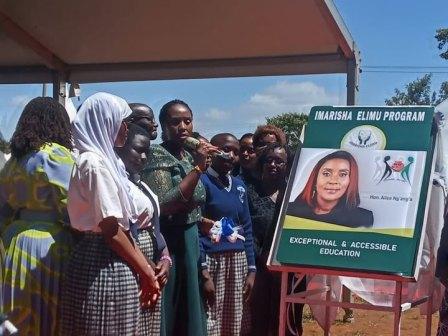
All day secondary schools in Thika constituency will now pay a reduced fee of Sh2,500 per term and enjoy free meals, an initiative launched by area MP Alice Ng’ang’a.

The ambitious Imarisha Elimu programme seeks to help in addressing 100 percent access, retention and completion of secondary school education in her constituency.

Speaking during the launch of the programme at Kenyatta primary school Friday, the MP said the programme comes as a big boost to parents who used to pay upwards of Sh18,000 per term and who have been facing financial difficulties due to the harsh economic times.

Also read:

County rolls out ECDE comprehensive feeding program

County Government launches ECDE feeding program

School Feeding Programme Rolled Out

Government to provide food to learners in new school feeding policy

Feeding Program For Primary School Learners Launched

Feeding Programme Rolled out For Candidates

While noting that the difference is being catered for by the NG/ CDF bursary programme, the MP warned that no principal should send learners home for school fees.

She said the programme will also help to improve the performance in KCSE in the area day secondary schools which she noted has been poor.

“Data from last year’s KCSE results showed that day secondary schools performed poorly compared to the boarding schools probably due to absenteeism. This programme will address those gaps,” said Ms Ng’ang’a.

On the feeding programme, the MP said learners will get free lunch and porridge to give them the right frame to learn.

“This programme is not just about reducing fees but ensuring every child has the energy and focus to excel in their studies,” she stated, urging parents to remain patient as more educational reforms are underway.

The programme has been met with widespread praise from parents, teachers, and education stakeholders all expressing relief that it will significantly reduce financial strain that they have been going through.

Thika Sub-County Education Director, Maurice Sifuna, revealed that the programme has already attracted an influx of new learners from neighbouring sub-counties, signaling its potential to improve overall enrollment and performance.

With this bold step, Sifuna said Thika Constituency is setting a precedent in education reform, prioritising the welfare of its learners and laying the foundation for a brighter future.

Teachers lauded the move, stating that it will reduce absenteeism and enhance learning outcomes.

Parents led by Evelyne Wanjiru said the programme will alleviate the burden and also keep their children in school.

“Paying Sh18, 000 per term has been a struggle due to high poverty levels and the hard economic times. This resulted in several students dropping out of school to engage in crime. This programme comes as a huge boost,” Wanjiru said.