Tag Archives: Kuppet news

THE HOUSING SCHEME IS AS SUSPICIOUS AS HOW IT WAS PASSED.

The Government has today, Tuesday 16th April- 2019, announced that it will roll out its Low Cost Housing Fund Levy; effective this month.

This step by the government to push an unpopular, political housing scheme down the throats of the Kenyan workers is suspicious, ill intended and an unacceptable burden on the already overburdened Kenyan worker who is currently enduring amongst the highest taxes and statutory deductions in the world which raid our payslips each month.

The manner in which it passed in Parliament speaks volumes. It was undoubtedly unpopular and lacked moral support, no wonder those who purportedly supported it were too ashamed to defend it in the floor of the house. How will this teacher working somewhere in the interior of Kisii county benefit from a low cost housing scheme project being effected in Nairobi or any other town situated hundreds of kilometers from Kisii?

Kenyans are investment conscious and are known to be Keen on real estate and housing at individual level, who are these employees that the government imagines are so much in need of this scheme? Assuming the scheme becomes the first efficiently implemented project in a country where plundering public resources is fashionable, how many units will be done per month and how will the units be distributed such that each employee has a unit? How will the units be distributed factoring in the geographical working places of each employee?
What is the existing legal framework that will protect the interests of the employees?

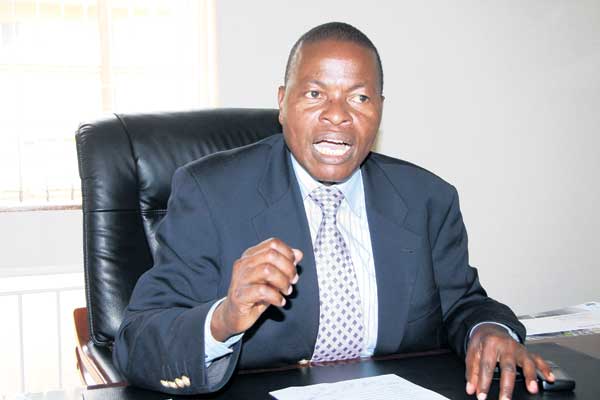
© Laban Ouko – Chairman KUPPET KISII

Your silence when teachers are maimed by their students is Sickening- KUPPET leader tells TSC, Education Ministry

Come to think of this.. A teacher is hacked to death by his own students; the ones he endeavors to help garner a bright future! This, to the Teachers Service Commission, TSC, is just a normal happening! This has irked Union Leaders who feel there is a disconnect between the teachers and their employer; the TSC. See the reaction below;

“In August 2018, a teacher Mr. Manase Ong’ole was killed by three students on his way home. The other day, another teacher Peter Omare was killed by students, because a student had a phone in school . Very few people talk about it, authorities seem disinterested. A few months ago, another teacher was murdered by students in Kisumu but again the silence was deafening.
If the same students who killed a teacher were punished for having the phone in school, by the same teacher, It would be big news by now. The teacher would be having his interdiction letter by now and would probably be in police cells for all sorts of accusations, the education officials and human rights activists would have loudly condemned the teacher and possibly visited the school to issue several threats but they are all silent yet a life is lost. A life of a Kenyan who was discharging his mandate professionally and dutifully. Life of a teacher, a son, a husband, a father, a friend, a breadwinner.
The rising cases of teachers being killed by students should be a cause for worry to all and should not only be condemned but also addressed firmly. This is a serious red flag on our social fabric as a nation. How many more teachers will be killed by the very students they are tasked to nurture before it captures the authorities eyes? I appeal to the government to address this new trend firmly.”

By Laban Ouko Bosire.

The writer is a Kenya Union of Post Primary Education Teachers, KUPPET, Chair in Kisii County.

RELATED CONTENT:

Students kill teacher for allegedly confiscating their phone.

KUPPET Partners With University In Teacher Training

Kenya Union of Post-Primary Education Teachers (KUPPET) Homa bay branch is set to partner with Tom Mboya University College to enable teachers further their education in the university.

Union branch Executive Secretary Steven Yogo said this was in line with the union’s objective to encourage secondary school teachers under the Teachers Service Commission (TSC) to attain higher education levels.

See also; List of Kuppet officials 2021-2026

In a meeting between KUPPET and top administrators of Tom Mboya the two bodies agreed on a plan that will allow TSC teachers with Diploma certificates to enroll for graduate studies.

“The contract we are looking to sign in the near future will allow secondary school teachers within Homa Bay County under TSC to join the university college for their Degree studies at second year levels rather than first year,” said Yogo.

Yogo explained that the university will also generate a website that will enable secondary school teachers within the county to access online classes in line with Covid-19 protocols.

The secretary urged teachers to take extra precautions against the virus.

KUPPET’s Misori officially joins ODM

The Secretary General to the Kenya Union of Post Primary Education Teachers, KUPPET, Akelo Misori has officially joinefd the Orange Democratic Movement, ODM. Misori visited Orange House yesterday and officially joined ODM as a Life Member. He was handed the certificate by Executive Director, Odour Ong’wen.

Misori is said to be eyeing a Gubernatorial seat in Nyanza. Misori now joins enter KUPPET officials who are actively involved in politics. These other KUPPET officials holding Political offices are:

  1. Omboko Milemba ( KUPPET National Chairman) who was elected Emuhaya Member of Parliament during the last General Elections.
  2. Ronald Tonui (KUPPET National Assistant Treasurer) who won the Bomet Central Constituency’s National Assembly seat.
  3. Catherine Wambilianga (KUPPET National Gender Secretary) was elected the Woman Representative of Bungoma County.

The Secretary General to the Kenya National Union of Teachers, Wilson Sossion, is also an active politician. Sossion is a nominated ODM member of Parliament.

Below, images of Misori, and ODM officials, when he paid a visit to Orange house yesterday; to receive his certificate.

Summary of the Kuppet Constitution Ammendmends in 2024

The Kenya Union of Post Primary Education Teachers, Kuppet, has amended its constitution. The amendments were done during the 2024 Annual Delegates Conference, ADC, in Vihiga.

During the ADC, major constitutional amendments were made which included scrapping the retirement age for contestants, increasing nomination fees and introduction of new posts at Branch, Regional and National levels.

Get a detailed summary of the amendments here.

SUMMARY OF THE 2024 AMMENDMENTS OF THE KUPPET CONSTITUTION

The articles touched in the amendments are:

Article 2: 1A INTERPRETATION

This is a new article which defines a member, a delegate and a branch.

❇️ A member has been difined as teacher/lecturer/trainer who is a fully paid up member of KUPPET.

❇️ A delegate has been defined as a registered official or members of KUPPET entitled to attend the annual and the special delegates conference.

❇️ A county has been defined as a geographical regional within which a KUPPET branch is confined.

Article 4.0: THE AIMS AND OBJECTIVES

Clause VA has been added.

❇️(VA) To buttress gender equity and equal opportunities without any forms of discrimination on the basis of inter Alia sex, race, tribe, age or religion.

Article 8.20: Delegates to the Conference

❇️ The article has increased the number of elected delegates from 10 to 14 by adding 4 new elective seats which are:

1st Assistant Gender Secretary, 2nd assistant Gender Secretary, 3rd Assistant Gender Secretary and Assistant Secretary Junior Secondary.

❇️ These additional slots for gender are aimed at increasing ladies representation in union leadership while the secretary Junior Secondary is sector specific for the junior secondary sector just like the secretary secondary for the regular secondary soon to be called senior secondary sector and secretary tertiary for the tertiary sector.

❇️ The article also brings in pro-rata delegates who shall be determined by the membership of a branch. For every 100 members above the first 300 members a branch will elect one pro-rata delegate during the BGA. This shall be done annually.

❇️ It also defines who is qualified to contest for a national executive board post.

Article 8.8.1A: Regional Councils

❇️The article introduces a new level of union representation which is the regional council. The regions are (Coast, North Eastern, Eastern, Central, Nairobi, Rift valley, Western, Nyanza)

❇️ This organ shall address teacher welfare issues and union issues at regional level by engaging the regional leadership of the employer and the ministry.

❇️The article give the operational and administrative structures of the Regional Councils. The regional council shall have 7 officials who are: Chairman, Vice chairman, Executive Secretary, Assistant executive secretary, treasurer, assistant Treasurer, woman representative.

Article 8.130: Trustees

❇️The number of union trustees has been increased from 4 to 9. Each region (Coast, North Eastern, Eastern, Central, Nairobi, Rift valley, Western, Nyanza) will have one trustee.

Trustees are the custodians of union properties.

Article 10.0: Officers of the union

❇️ This article captures the additional 4 new elective seats (the 1st assistant Gender Secretary, 2nd assistant Gender Secretary, 3rd Assistant Gender Secretary and Assistant Secretary Junior Secondary) both at branch and national level and outlines their roles.

Article 12.0: Terms of office Bearers

The article remained unchanged.

Article 13.0: Union elections.

❇️The article has ammended the membership requirements for one to contest as a union official at branch level. The minimum membership period was set at one year membership for members in junior secondary (as a transition clause since it’s a new sector) and 5 yrs membership for members in regular secondary/senior secondary and those in tertiary.

❇️All the other clauses remained unchanged.

Article 14.0: Nomination fees

The Nomination fees were revised as follows:

✳️ General Secretary, National Chairman, National treasurer – 500,000/-
✳️ All other National seats – 300,000/-
✳️ Executive Secretary – 200,000/-
✳️ Branch Chair, Branch treasurer – 100,000
✳️ All other Branch executive committee seats – 50,000.

KENYA UNION OF POST PRIMARY EDUCATION TEACHERS UNION, KUPPET, SALARY & ALLOWANCES DEMANDS

BACKGROUND

Introduction
Kenya Union of Post Primary Education Teachers signed a Collective Bargaining Agreement on 26th October 2016 which was later registered in the Employment and Labour Relations Court on 30th November 2016. The CBA was an agreement to regularize the industrial relations between the employer and KUPPET as well as for the interest of mutual understanding and co-operation. The CBA reaffirmed their commitment to maintaining a collaborative relationship aimed at realizing quality teaching service.

Analysis of the Cost of Living in Kenya

According to surveys released by Kenya National Bureau of Statistics, Consumer Price Indices (CPI) has continued to increase over the last 2 years. Consumer Price Index is a measure that examines the weighted average of prices of a basket of consumer goods and services such as transportation, food and medical care. It is calculated by taking price changes of each item in the predetermined basket of goods and averaging them. It reports inflation and deflation tendencies in the economy.

In July 2016, the CPI was 170.84 and inflation rate was 6.39. The CPI has increased to 191.59 and inflation rate is 4.35 in 2018. This is an economic indicator that prices of goods and services have increased over time affecting the remuneration and allowances for workers. The GDP has also increased on average 1.33 per cent since 2015 indicating an increase of 1.9 per cent in the first quarter of 2018.

For example, the average price of fuel in 2016 was sh98 per litre compared to the current sh112. This affects the commuter allowance as fares have risen from sh50 to sh 100 in most parts of the country.

The table below shows the average price changes for household consumption goods and services over the last 2 years.

Product
Unit of measure

July 17
December 17

July 18
% change

Tomatoes
1kg
86.45
94.52
122.04
41

Kerosene
1L
63.55
71.42
85.05
22.8

Petrol
1L
98.00
105.04
109.67
11.9

Charcoal
4kg
81.61

138.13
69.25

Maize flour
2kg
106.77
110.10
116.29
8.91

Sukumawiki
1kg
42.17
43.67
57.87
37.23

Electricity
50kwh
576.07
649.73
695.97
20.81

Source: KNBS CPI July 2017, December 2017 and July 2018
The cost of living has increased rapidly over the last two years affecting the purchasing power of household goods and services. The transport cost has increased beyond the commuter allowance negotiated due to increase of fuel and general overall transport cost.
The Union demands that the following issues may be considered for negotiations to cushion teachers in their delivery of services.

PROPOSALS OF NEW ALLOWANCES

1.COMMUTER ALLOWANCE
The Union demands that commuter allowance be increased by 150% of the current rate. Commuter allowance shall be paid as per Appendix.

  1. LEAVE ALLOWANCE
    The Union demands that leave allowance be paid based on one’s basic pay i.e. an equivalent of one month’s basic pay for all cadres.

3.HOUSE ALLOWANCE
The Union demands that House allowance be harmonized across all regions.i.e Teachers in Grade C2 should enjoy the same house allowance whether in Nairobi or Marsabit and this should be in all grades.

  1. TOWNSHIP HARDSHIP ALLOWANCE
    While teachers enjoy equal house allowance across all regions, the Union proposes the introduction of township allowance. Teachers in urban areas experience challenges of high cost of living and expensive urban transport and this makes no difference with a teacher in a hardship area. We propose a town allowance of 30% of basic salary be paid to teachers in major cities or county headquarters.
  2. HARDSHIP ALLOWANCE
    Hardship allowance shall be payable to teachers assigned duties in Arid and Semi-Arid Lands (ASAL) areas. However, the areas declared as hardship needs to be reviewed because there are other emerging issues like terrorism, cattle rustling etc.
  3. RISK ALLOWANCE
    Risk allowance shall be payable to all Science teachers due to exposure to chemicals and other substances. The Union demands that Risk allowance be paid at a rate of 20% of the basic salary as per appendix.
  4. ACCOMODATION ALLOWANCE
    Teachers are assigned duties outside the work station. In the civil service, there are guidelines stipulating the allowance for every cadre. The Union has proposed development of clear guidelines on the payment of accommodation allowance (per diem) as well as the amount as shown in the appendix.
  5. POST GRADUATE SCHEME OF SERVICE
    The teaching service has no scheme of service for teachers who have attained a Masters and Doctorate degrees. Instead, the employer awards three increments to the holders of such qualifications. The proposed scheme seeks to allow TSC recruit teachers possessing post-graduate qualifications at entry level. The Union demands that Post graduate scheme of service be developed and be eligible to all teachers holding a Master’s and Doctorate degree. The said teachers shall be paid an allowance equivalent to 40% of the basic salary.

8.CAREER PROGRESSION
Parties agreed that career progression in the teaching service shall be as provided under Part VI of the Code of Regulations for Teachers. However, KUPPET demands that the Commission in performance of its obligation under this agreement ensures that every teacher under its employment is facilitated to undergo professional development.

9.OVERTIME ALLOWANCE
KUPPET demands that working hours for all teachers be 8 hours per day i.e. 8.00 am. to 5.00 p.m. with one hour lunch break for five days i.e. 40 hours per week – Monday to Friday. Further, the Union proposes that any extra hours worked be compensated as an overtime as teachers in boarding sections are overworked and no monetary compensation are done. The overtime allowance schedule is attached as per Appendix.

  1. COMPREHENSIVE MEDICAL COVER
    We propose that medical allowance be increased by 100% to enable the employer improve health benefits with insurance underwriters.
  2. TEACHERS’ SALARY INCREMENT
    The 2016 basic salary increment be varied to align the increment with challenges of inflation.
    OTHER ISSUES
    The marking scheme for employment of Diploma teachers is discriminating and unfair to diploma teachers. We propose it be reviewed so that they are given same marks as graduates.

Special schools allowance terminated without consultation should be reinstated.

Annual increment for teachers seems not clear. Not all teachers have been given the same.

There should exist common cadre grades to show job group progression as before the CBA 26th October, 2016.

ACCOMODATION ALLOWANCE (PER DIEM)

Nairobi, Mombasa, Kisumu Kilifi, Naivasha, Lamu and Kwale
Nakuru, Nyeri, Eldoret, Kericho, Kakamega, Embu, Garissa, Bungoma
Other areas

C2

6,000

4,000

3,000

C3

6,500

4,500

3,500

C4

6,500

4,500

3,500

C5

8,000

6,000

4,000

D1

8,000

6,000

4,000

D2

8,000

6,000

4,000

D3

10,000

7,500

5,000

D4

10,000

7,500

5,000

D5

LEAVE ALLOWANCE
GRADE C2
Salary Scale point
CURRENT LEAVE ALLOWANCE
PROPOSED LEAVE ALLOWANCE

1
6000
27,325

2
6000
28,792

3
6000
30,335

4
6000
31,956

5
6000
32,988

6
6000
34,955

7
6000
36,280

8
6000
37,654

9
6000
39,081

10
6000
40,562

11
6000
42,099

12
6000
43,694

GRADE C3
Salary Scale point
CURRENT LEAVE ALLOWANCE
PROPOSED LEAVE ALLOWANCE

1
6,000
33,908

2
6,000
34,570

3
6,000
35,167

4
6,000
35,837

5
6,000
36,536

6
6,000
37,087

7
6,000
37,867

8
6,000
38,677

9
6,000
39,532

10
6,000
41,417

11
6,000
43,391

12
6,000
45,463

113
6,000
47,624

14
6,000
49,912

GRADE C4
Salary Scale point
CURRENT LEAVE ALLOWANCE
PROPOSED LEAVE ALLOWANCE

1
6,000
35,927

2
6,000
37,495

3
6,000
39,136

4
6,000
40,849

5
6,000
42,642

6
6,000
45,463

7
6,000
47,624

8
6,000
49,912

9
6,000
51,632

GRADE C5
Salary Scale point
CURRENT LEAVE ALLOWANCE
PROPOSED LEAVE ALLOWANCE

1
6,000
40,849

2
6,000
41,417

3
6,000
42,642

4
6,000
43,391

5
6,000
45,463

6
6,000
47,624

7
6,000
49,912

8
6,000
51,931

9
6,000
55,644

10
6,000
58,069

11
6,000
60,613

GRADE D1
Salary Scale point
CURRENT LEAVE ALLOWANCE
PROPOSED LEAVE ALLOWANCE

1
10,000
66,177

2
10,000
68,905

3
10,000
71,746

4
10,000
77,840

5
10,000
80,242

GRADE D2
Salary Scale point
CURRENT LEAVE ALLOWANCE
PROPOSED LEAVE ALLOWANCE

1
10,000
71,565

2
10,000
77,840

3
10,000
85,269

GRADE D3
Salary Scale point
CURRENT LEAVE ALLOWANCE
PROPOSED LEAVE ALLOWANCE

1
10,000
77,840

2
10,000
80,242

3
10,000
82,717

4
10,000
90,612

GRADE D4
Salary Scale point
CURRENT LEAVE ALLOWANCE
PROPOSED LEAVE ALLOWANCE

1
10,000
99,730

2
10,000
102,807

3
10,000
104,644

4
10,000
107,873

5
10,000
111,201

6
10,000
114,632

GRADE D5
Salary Scale point
CURRENT LEAVE ALLOWANCE
PROPOSED LEAVE ALLOWANCE

1
10,000
111,201

2
10,000
114,632

3
10,000
118,169

4
10,000
121,814

5
10,000
125,573

6
10,000
129,528

7
10,000
131,380

8
10,000
141,891

9
10,000
148,360

10
10,000
152,937

RISK ALLOWANCE
GRADE C2
Salary Scale point
PROPOSED RISK ALLOWANCE

1
5,465

2
5,758

3
6,067

4
6,391

5
6,598

6
6,991

7
7,256

8
7,531

9
7,816

10
8,112

11
8,420

12
8,739

GRADE C3
Salary Scale point
PROPOSED RISK ALLOWANCE

1
6,782

2
6,914

3
7,033

4
7,167

5
7,307

6
7,417

7
7,573

8
7,735

9
7,906

10
8,283

11
8,678

12
9,093

113
9,525

14
9,982

GRADE C4
Salary Scale point
PROPOSED RISK ALLOWANCE

1
7,185

2
7,499

3
7,827

4
8,170

5
8,528

6
9,093

7
9,525

8
9,982

9
10,326

GRADE C5
Salary Scale point
PROPOSED RISK ALLOWANCE

1
8,170

2
8,283

3
8,528

4
8,678

5
9,093

6
9,525

7
9,982

8
10,386

9
11,129

10
11,614

11
12,123

GRADE D1
Salary Scale point
PROPOSED RISK ALLOWANCE

1
13,235

2
13,781

3
14,349

4
15,568

5
16,048

GRADE D2
Salary Scale point
PROPOSED RISK ALLOWANCE

1
14,313

2
15,568

3
17,054

GRADE D3
Salary Scale point
PROPOSED RISK ALLOWANCE

1
15,568

2
16,048

3
16,543

4
18,122

GRADE D4
Salary Scale point
PROPOSED RISK ALLOWANCE

1
19,946

2
20,561

3
20,929

4
21,575

5
22,240

6
22,926

GRADE D5
Salary Scale point
PROPOSED RISK ALLOWANCE

1
22,240

2
22,926

3
23,634

4
24,363

5
25,115

6
25,906

7
26,276

8
28,378

9
29,672

10
30,587

TOWNSHIP ALLOWANCE
GRADE C2
Salary Scale point
PROPOSED TOWNSHIP ALLOWANCE

1
5,465

2
5,758

3
6,067

4
6,391

5
6,598

6
6,991

7
7,256

8
7,531

9
7,816

10
8,112

11
8,420

12
8,739

GRADE C3
Salary Scale point
PROPOSED TOWNSHIP ALLOWANCE

1
6,782

2
6,914

3
7,033

4
7,167

5
7,307

6
7,417

7
7,573

8
7,735

9
7,906

10
8,283

11
8,678

12
9,093

113
9,525

14
9,982

GRADE C4
Salary Scale point
PROPOSED TOWNSHIP ALLOWANCE

1
7,185

2
7,499

3
7,827

4
8,170

5
8,528

6
9,093

7
9,525

8
9,982

9
10,326

GRADE C5
Salary Scale point
PROPOSED TOWNSHIP ALLOWANCE

1
8,170

2
8,283

3
8,528

4
8,678

5
9,093

6
9,525

7
9,982

8
10,386

9
11,129

10
11,614

11
12,123

GRADE D1
Salary Scale point
PROPOSED TOWNSHIP ALLOWANCE

1
13,235

2
13,781

3
14,349

4
15,568

5
16,048

GRADE D2
Salary Scale point
PROPOSED TOWNSHIP ALLOWANCE

1
14,313

2
15,568

3
17,054

GRADE D3
Salary Scale point
PROPOSED TOWNSHIP ALLOWANCE

1
15,568

2
16,048

3
16,543

4
18,122

GRADE D4
Salary Scale point
PROPOSED TOWNSHIP ALLOWANCE

1
19,94699,730

2
20,561

3
20,929

4
21,575

5
22,240

6
22,926

GRADE D5
Salary Scale point
PROPOSED TOWNSHIP ALLOWANCE

1
22,240

2
22,926

3
23,634

4
24,363

5
25,115

6
25,906

7
26,276

8
28,378

9
29,672

10
30,587

COMMUTER ALLOWANCE
 
JOB GROUP
 
KSH PER MONTH


Current Rates
50% increment from the current

 
C2
5,000
7,500


C3
6,000
9,000


C4
8,000
12,000


C5
8,000
12,000


D1
12,000
18,000


D2
12,000
18,000


D3
14,000
21,000


D4
14,000
21,000


D5
16,000
24,000
 

OVERTIME ALLOWANCE
GRADE
OVERTIME PAY
OVERTIME 2HRS

 
PER HOUR
AVERAGE

C2
500
1,000

C3
600
1,200

C4
700
1,400

C5
800
1,600

D1
900
1,800

D2
1,000
2,000

D3
1,100
2,200

D4
1,200
2,400

D5
1,300
2,600

HOUSE ALLOWANCE
 
JOB GROUP
 
KSH PER MONTH


Proposed rates (Nairobi rates)
Current Rates

 
C2
16,500
7,500

 
C3
28,000
13,000

 
C4
28,000
13,000

 
C5
35,000
15,400

 
D1
45,000
16,800

 
D2
45,000
16,800

 
D3
45,000
16,800

 
D4
45,000
16,800

 
D5
50,000
20,000

KUPPET supports move to postpone schools’ reopening

The Kenya Union of Post Primary Education Teachers – KUPPET has come out to support the move by President Uhuru Kenyatta to put on hold any plans to rush reopening of schools. On Monday September 28, 2020 the President announced that schools will only be reopened once the covid 19 curve flattens adding that the health of learners should be given priority.
KUPPET now tells Education Cabinet Secretary Professor George Magoha to ‘get his act in together’ and ensure schools are ready to receive learners.
Here is the full presser by KUPPET;
Education stakeholders fully support President Kenyatta’s statement to the nation yesterday (On Monday September 28, 2020). Whereas many Kenyans were expecting the President to announce a date for the re-opening of schools, his statement addressed the health concerns that all parents, teachers and learners have about the capacity of our schools to cope with COVID-19.
The import of the President’s statement was that schools would only re-open once the government enacts safeguards to protect learners and teachers from COVID-19. As a union, this is the position we support. Last week ago, after the Cabinet Secretary for Education, Prof. George Magoha, called teachers to their work stations, we urged the government to remit the capitation funds to schools for the development of infrastructure – including the improvement of classrooms, sanitation facilities, dormitories and creation of isolation rooms to manage emergencies, among others.
KUPPET believes that the Ministry of Education has the financial resources to enhance the safety in our schools. On the minimum, every school must have sufficient learning spaces allowing social distancing, water for sanitation, isolation wards for holding suspected cases pending medical examination, and counseling services. The government should also provide at least three re-usable facemasks to all learners.
In compliance with the President’s directive, we urge the Cabinet Secretary to immediately establish a criteria of assessing schools on readiness to re-open for learning under Ministry of Health protocols for the containment of COVID-19.